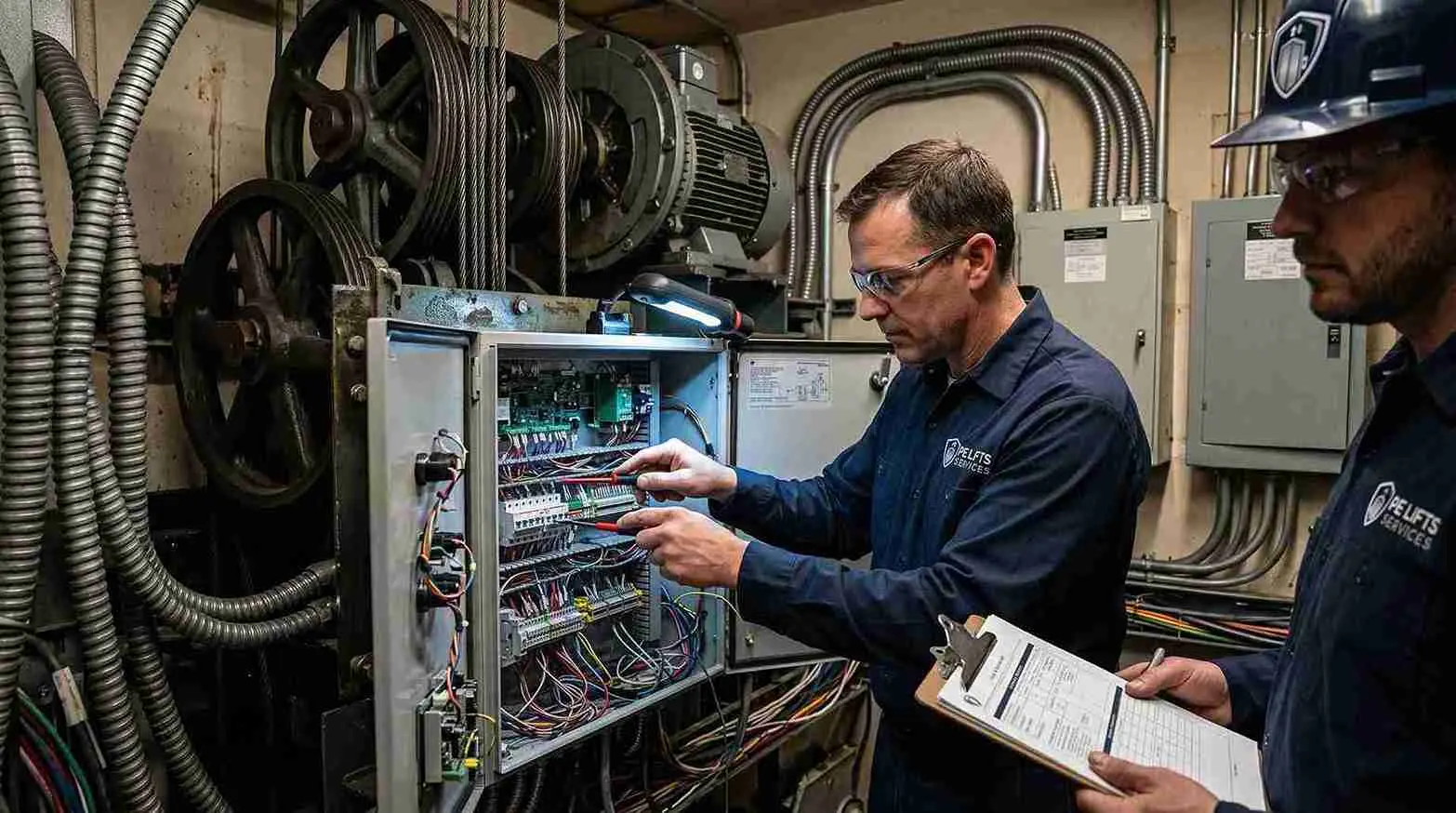

Vertical transportation is the lifeblood of any modern building. When an elevator goes out of service, the ripple effects are felt immediately—from delayed meetings to frustrated tenants and logistical nightmares for delivery personnel. While regular maintenance is the best way to prevent unexpected breakdowns, the efficiency of the maintenance process itself often depends on the building's management team.
When facility managers think of commercial elevator maintenance, they often focus entirely on the technicians' work. However, building readiness plays a critical role in how efficiently and safely the servicing is completed. A well-organized elevator maintenance checklist reduces downtime, prevents safety hazards, and ensures your elevator maintenance company can perform at its best.
Whether you manage a corporate high-rise in Lagos or a commercial complex in Accra, understanding how to prepare for an elevator maintenance visit is essential for seamless operations.
Why Is Preparation Important Before an Elevator Maintenance Visit?
An elevator maintenance visit requires precision, specialized tools, and uninterrupted access to machinery. Without proper commercial elevator maintenance preparation, technicians may face delays, incomplete diagnostics, or even safety risks.
Preparation ensures that:
- Downtime is minimized: Technicians spend more time servicing and less time troubleshooting access issues.
- Safety is maximized: Clear protocols protect both building occupants and service personnel.
- Diagnostics are accurate: A complete history of recent faults allows technicians to pinpoint underlying issues faster.
- AMC compliance is maintained: Proper documentation ensures your elevator AMC services remain valid and effective.
What Should Be Included in Your Pre-Visit Checklist?
Creating an elevator inspection and maintenance checklist for your facility team is the first step toward smooth servicing. Here is what you need to handle before the technicians arrive:
- Notify building occupants: Send an advance notice to tenants and staff detailing the date, time, and expected duration of the elevator outage. Provide alternative routes or stairwell access.
- Ensure clear access to the elevator and machine room: Remove any boxes, equipment, or debris blocking the elevator lobby, hoistway, or machine room.
- Confirm maintenance appointment: Reconfirm the schedule with your elevator maintenance company to prevent missed appointments.
- Record recent faults or complaints: Log any strange noises, door delays, leveling issues, or button malfunctions reported by users.
- Identify priority concerns: Highlight specific areas that require urgent attention, such as worn-out brake pads or sensor errors.
- Assign a facility representative: Have a designated building manager or technician available to guide the crew and answer operational questions.
- Verify access permits and security clearance: Ensure the service crew has the necessary IDs, gate passes, and permits required for your facility's security protocols.
What Safety Measures Should Be Taken Before Maintenance Begins?
Safety is the cornerstone of building readiness for elevator servicing. Facility managers must enforce strict safety protocols:
- Restrict passenger access if required: Turn off the elevator from the main lobby or use a dedicated service key to prevent unauthorized use during maintenance.
- Place safety signs and barriers: Deploy high-visibility wet floor signs, barricades, and "Out of Service" signs around the elevator landing.
- Ensure adequate lighting: Verify that the machine room, pit, and elevator shaft are well-lit so technicians can work safely.
- Keep machine rooms clean and accessible: Machine rooms must be free of flammable materials and strictly reserved for authorized personnel.
- Pit Safety Protocols: If maintenance requires access to the elevator pit, facility managers should ensure that the pit access door is unlocked and that no water or debris has accumulated. Standing water poses a severe electrocution hazard to visiting technicians.
- Follow building safety procedures: Ensure lockout/tagout (LOTO) protocols and other facility-specific safety rules are communicated to the visiting crew.
What Documentation Should Be Ready?
An experienced elevator maintenance company relies on historical data to make informed decisions. Have the following documents ready:
- Previous maintenance reports: Helps technicians see what was addressed during the last elevator maintenance visit.
- AMC agreement: Outlines the scope of work, response times, and included parts under your elevator AMC services.
- Repair history: Provides insight into recurring mechanical or electrical failures.
- Inspection certificates: Ensures the equipment meets local and national safety codes.
- Equipment manuals: Wiring diagrams and OEM manuals are vital for diagnosing complex control system issues.
- Incident and breakdown records: Details of past entrapments or sudden stops help identify systemic vulnerabilities.
Expert Insight: While many modern facilities use digital CMMS (Computerized Maintenance Management Systems) to track repairs, it is wise to have a physical binder or offline digital backup of equipment manuals available on-site. Internet connectivity issues in machine rooms can delay the retrieval of vital schematics.
What Happens During and After the Maintenance Visit?
Understanding the workflow helps facility managers set realistic expectations for the elevator maintenance visit:
- Inspection and testing: Technicians conduct a visual inspection, test safety circuits, and measure door timing and leveling accuracy.
- Maintenance work completed: This includes lubricating moving parts, cleaning contacts, adjusting brakes, and checking cable tension.
- Technician recommendations: The crew will advise on upcoming parts replacements or modernization needs.
- Review of service report: A detailed report is provided, summarizing the work done and highlighting any red flags.
- Scheduling follow-up actions: If major repairs are needed, a follow-up visit is scheduled to source parts and execute the repair.
Comparison Table: Pre-Visit Responsibilities
| Preparation Task | Why It Matters | Responsible Person |
|---|---|---|
| Notify Occupants | Prevents frustration and manages foot traffic during outages. | Facility Manager |
| Prepare Documentation | Gives technicians vital history for accurate diagnostics. | Maintenance Supervisor |
| Provide Equipment Access | Saves time and prevents delays in machine room entry. | Security / Building Admin |
| Record Existing Issues | Ensures no minor fault goes unnoticed or unfixed. | Front Desk / Tenant Liaison |
| Review Service Report | Guarantees all AMC deliverables were met and future risks are logged. | Facility Manager |
Top Priorities Before an Elevator Maintenance Visit
(Note: An editable bar chart of this data is included in the downloadable .DOCX file.)
- Documentation: 25%
- Safety Preparation: 20%
- Equipment Access: 20%
- Occupant Communication: 20%
- Fault Reporting: 15%
How Does PE Lifts Services Make Maintenance Visits Efficient and Hassle-Free?
As West Africa’s trusted elevator maintenance company, PE Lifts Services operates extensively across Nigeria, Ghana, and Togo
peliftsservices.com. They understand that commercial elevator maintenance requires a structured approach. PE Lifts Services combines global best practices with deep local knowledge to ensure your building remains operational
peliftsservices.com.
By offering tailored elevator AMC services, 24/7 emergency support, and modernization solutions, PE Lifts Services makes the maintenance process seamless
peliftsservices.com. They proactively communicate with facility managers, provide transparent service reports, and utilize highly trained engineers who respect building safety protocols
peliftsservices.com.
Real-World Case Studies
Case Study 1: Corporate High-Rise in Lagos A commercial high-rise was experiencing frequent door delays. Because the facility manager had an updated elevator maintenance checklist and a complete log of recent complaints ready, the PE Lifts Services technicians immediately targeted the door operators and sensors. What could have been a full-day diagnostic job was completed in three hours, significantly reducing tenant disruption.
Case Study 2: Institutional Facility in Accra Before a scheduled elevator maintenance visit, the building administration cleared the machine room and arranged security clearance in advance. This allowed the PE Lifts Services crew to bypass administrative delays and immediately begin the annual safety inspection. The seamless preparation allowed the team to identify a worn hoist rope early, preventing a potential breakdown during peak usage.
Case Study 3: Retail Complex in Abuja A retail mall failed to notify occupants during a previous service, leading to customer complaints. By implementing an elevator inspection and maintenance checklist that included mandatory tenant notifications, the subsequent visit by PE Lifts Services was met with zero complaints. The facility team provided the AMC agreement and previous reports upfront, ensuring all warranty parts were verified quickly.
Frequently Asked Questions (FAQs)
1. How often should an elevator maintenance visit occur? Most commercial elevator maintenance plans require visits at least once a month. High-traffic buildings may need bi-weekly servicing under their elevator AMC services.
2. What is the most important item on an elevator maintenance checklist for facility managers? Providing unobstructed access to the machine room and a complete history of recent faults are the most critical elements for a swift and accurate service.
3. Do I need to turn off the elevator before the maintenance company arrives? It is best to wait for the technicians. They follow specific lockout/tagout procedures to ensure safety without accidentally disrupting the system's memory or calibration.
4. Why is the AMC agreement important during a maintenance visit? The AMC agreement dictates which parts and labor are covered. Having it ready helps the elevator maintenance company process replacements quickly without waiting for administrative approvals.
5. Can building occupants use the elevator during maintenance? No. For safety reasons, the elevator must be taken out of normal service and placed on "Inspection" or "Independent Service" mode by the technicians.
6. How does proper preparation reduce elevator downtime? When technicians have immediate access to logs, keys, and machine rooms, they spend their time diagnosing and fixing the equipment rather than navigating building bureaucracy.
7. What should I do if the elevator breaks down right after a maintenance visit? Contact your elevator maintenance company immediately. A reputable provider like PE Lifts Services offers 24/7 emergency support to address post-service anomalies promptly
peliftsservices.com.
Conclusion
Preparing your building for an elevator maintenance visit is just as important as the servicing itself. By utilizing a comprehensive elevator maintenance checklist, prioritizing safety, and maintaining organized documentation, facility managers can drastically reduce downtime, enhance tenant satisfaction, and extend the lifespan of their equipment.
When you partner with a reliable elevator maintenance company like PE Lifts Services, you benefit from expert elevator AMC services tailored to the unique demands of West African commercial and institutional properties.
Is your building truly ready for its next service? Don't wait for a breakdown to evaluate your maintenance readiness. Contact PE Lifts Services today to schedule a professional maintenance visit, request a comprehensive elevator audit, and receive a customized preventive maintenance plan. Call +234 702 521 1116 or email info@peliftsservices.com for 24/7 support across Nigeria, Ghana, and Togo
peliftsservices.com.