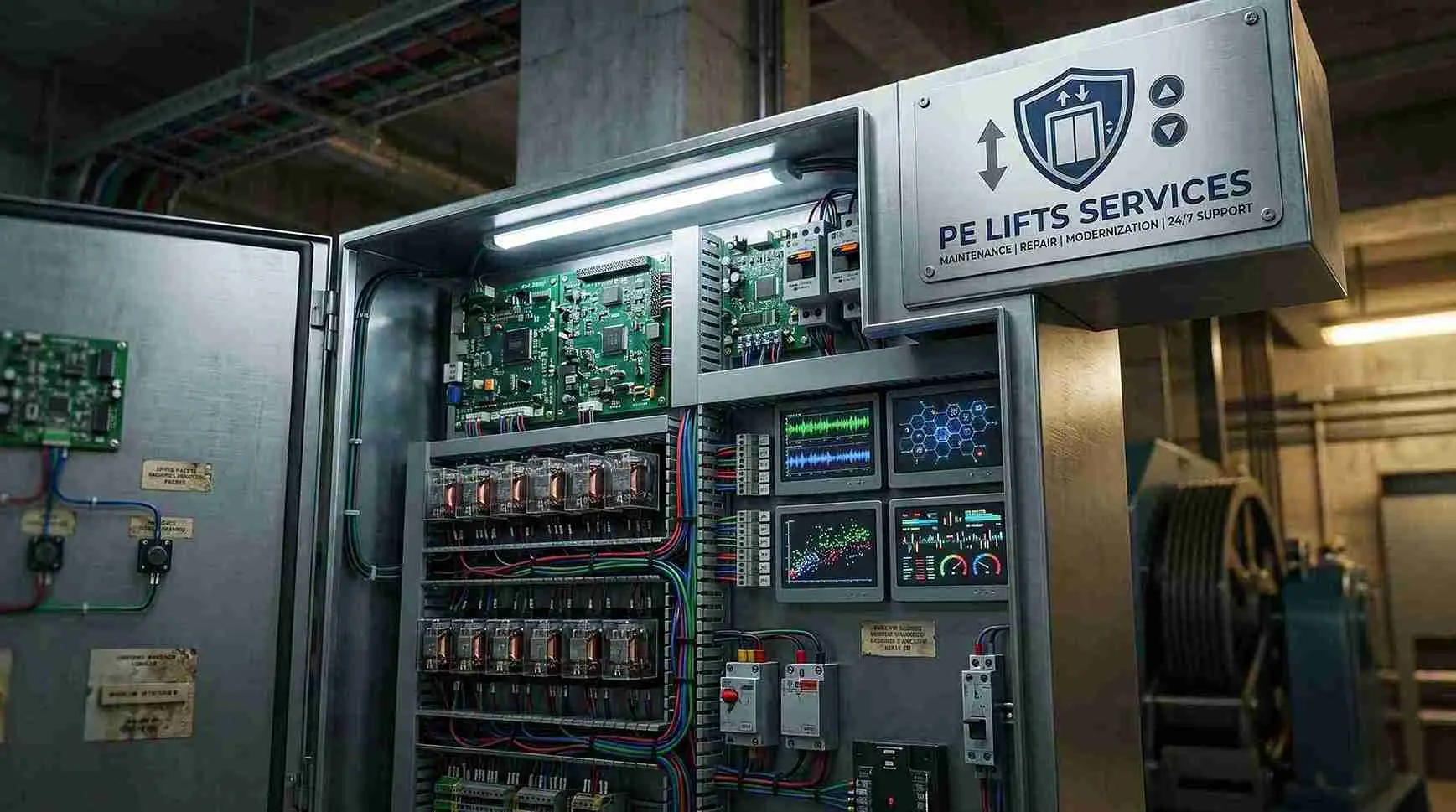

Elevators are the vertical lifelines of commercial buildings, hospitals, hotels, and residential complexes. However, like any complex mechanical system, they are susceptible to wear and tear. Identifying common elevator problems early can save property managers from costly repairs, safety hazards, and tenant dissatisfaction. As a leading elevator maintenance company Nigeria trusts, PE Lifts Services provides expert elevator troubleshooting and preventive elevator maintenance to keep your vertical transportation running smoothly. This comprehensive commercial elevator troubleshooting guide outlines the 15 most frequent issues, their causes, and actionable common elevator faults and solutions.
Why Do Elevators Develop Problems?
Elevators operate under constant mechanical stress, electrical load, and environmental factors. The root causes of most common elevator problems include:
- Lack of Preventive Maintenance: Skipping routine inspections allows minor issues to escalate into major failures.
- High Traffic Volume: Buildings with heavy foot traffic experience accelerated wear on doors, buttons, and mechanical components.
- Environmental Factors: Dust, humidity, and power fluctuations (common in West Africa) can degrade sensitive electronic control systems.
- Aging Infrastructure: Older elevators naturally experience excessive wear and outdated control systems that struggle to meet modern safety standards.
What Are the 15 Most Common Elevator Problems?
1. Strange Noises
- Common Causes: Worn guide shoes, lack of lubrication, or loose mechanical components.
- Warning Signs: Grinding, squeaking, or clanking sounds during movement.
- Prevention Tips: Schedule regular lubrication and mechanical inspections to catch worn parts early.
2. Door Malfunctions
- Common Causes: Misaligned tracks, faulty door operators, or obstructed safety sensors.
- Warning Signs: Doors closing too fast, failing to open, or reversing unexpectedly.
- Prevention Tips: Keep door tracks clean and ensure safety sensors are calibrated during routine maintenance.
3. Slow Operation
- Common Causes: Worn motor brushes, outdated control systems, or incorrect load balancing.
- Warning Signs: Noticeable delays in door opening/closing or sluggish travel between floors.
- Prevention Tips: Upgrade to modern Variable Voltage Variable Frequency (VVVF) drives for smoother, faster operation.
4. Sudden Stops
- Common Causes: Safety governor activation, power surges, or tripped circuit breakers.
- Warning Signs: Elevator halts abruptly between floors, often triggering emergency alarms.
- Prevention Tips: Install voltage stabilizers and ensure safety circuits are tested monthly.
5. Floor Leveling Issues
- Common Causes: Worn leveling sensors, degraded brake pads, or encoder faults.
- Warning Signs: The cab stops slightly above or below the floor landing, creating a trip hazard.
- Prevention Tips: Regularly calibrate leveling sensors and inspect brake systems for wear.
6. Button Failures
- Common Causes: Dirt accumulation, worn-out microswitches, or loose wiring.
- Warning Signs: Unresponsive floor buttons or call buttons that require multiple presses.
- Prevention Tips: Clean control panels regularly and replace worn microswitches during preventive visits.
7. Power Failures
- Common Causes: Grid instability, blown fuses, or faulty backup battery systems.
- Warning Signs: Elevator shuts down completely during a building power outage.
- Prevention Tips: Ensure Automatic Rescue Devices (ARD) and backup batteries are tested bi-weekly.
8. Frequent Breakdowns
- Common Causes: Underlying unresolved mechanical faults or outdated components.
- Warning Signs: The elevator requires repair multiple times a month, causing high downtime.
- Prevention Tips: Conduct a comprehensive system audit and consider elevator modernization.
9. Vibration
- Common Causes: Misaligned guide rails, uneven rope tension, or worn roller guides.
- Warning Signs: Passengers feel shaking or bouncing during ascent or descent.
- Prevention Tips: Realign guide rails and adjust rope tension to ensure a smooth ride.
10. Overheating
- Common Causes: Poor machine room ventilation, overworked motors, or high ambient temperatures.
- Warning Signs: Burning smell, automatic thermal shutdowns, or hot machine room walls.
- Prevention Tips: Install adequate HVAC systems in the machine room and check motor cooling fans.
11. Sensor Faults
- Common Causes: Dust accumulation, misalignment, or wiring degradation.
- Warning Signs: Doors fail to detect obstacles, or the elevator ignores floor calls.
- Prevention Tips: Clean photoelectric sensors and verify wiring integrity during monthly checks.
12. Control System Errors
- Common Causes: Software glitches, corrupted memory, or moisture damage to circuit boards.
- Warning Signs: Random error codes on the display or uncommanded elevator movements.
- Prevention Tips: Keep machine rooms dry and update elevator software/firmware as recommended by the manufacturer.
13. Emergency Alarm Failures
- Common Causes: Dead backup batteries, disconnected wiring, or faulty alarm bells.
- Warning Signs: The alarm button does not trigger a sound or communication line when pressed.
- Prevention Tips: Test the emergency alarm and intercom system during every single maintenance visit.
14. Excessive Wear
- Common Causes: Normal aging, lack of lubrication, or use of non-genuine spare parts.
- Warning Signs: Visible fraying of hoist ropes, worn door shoes, or degraded cab interiors.
- Prevention Tips: Use only genuine spare parts and adhere strictly to the manufacturer’s lubrication schedule.
15. Communication Faults
- Common Causes: Loose traveling cables, network interference, or faulty intercom modules.
- Warning Signs: Passengers cannot communicate with the control room during an entrapment.
- Prevention Tips: Inspect traveling cables for fatigue and test two-way communication systems monthly.
When Should You Call Elevator Experts?
Knowing when to call an elevator maintenance company is critical for safety and liability. Contact certified professionals immediately if you observe:
- Safety Risks: Any sign of frayed cables, burning smells, or erratic movements.
- Repeated Faults: The same common elevator faults and solutions are applied, but the issue returns within days.
- Passenger Entrapment: Always treat entrapments as top-priority emergencies requiring immediate 24/7 technical support.
- Unusual Performance: Sudden changes in speed, noise, or leveling that deviate from normal operation.
Elevator Problem Comparison Guide
| Elevator Problem | Common Cause | Prevention | Call an Expert? |
|---|---|---|---|
| Door Failure | Misaligned tracks or sensor obstruction | Clean tracks, calibrate sensors | Yes, if recurring |
| Strange Noise | Lack of lubrication or worn guides | Regular lubrication schedule | Yes, for inspection |
| Power Failure | Grid instability or dead backup battery | Install/test Automatic Rescue Device (ARD) | Yes, immediately |
| Sensor Fault | Dust accumulation or wiring issues | Monthly cleaning and wiring checks | Yes, for recalibration |
| Leveling Issue | Worn brake pads or encoder faults | Calibrate sensors, inspect brakes | Yes, to prevent trip hazards |
(Note: A visual bar chart titled "Most Common Elevator Problems" comparing Door Issues (35%), Power Failures (20%), Sensor Faults (18%), Control System Errors (15%), and Mechanical Wear (12%) is embedded in the downloadable .DOCX file.)
How Does PE Lifts Services Prevent Major Elevator Failures?
As the dedicated maintenance and technical support division of PE Lifts Group, PE Lifts Services brings over 15 years of expertise to Nigeria, Ghana, and Togo. We prevent major failures through:
- Comprehensive Annual Maintenance Contracts (AMC): Our AMC includes regular preventive maintenance visits, detailed inspection reports, lubrication, safety checks, and discounted rates on genuine spare parts.
- 24/7 Emergency Breakdown Support: We guarantee a 2-hour response time in major cities (Lagos, Abuja, Accra, Lomé) and 4–6 hours elsewhere, minimizing costly downtime.
- Multi-Brand Expertise: Our factory-trained technicians service all major brands, including OTIS, KONE, Schindler, TK Elevator, Mitsubishi, and Fujitec.
- Proactive Modernization: We help property owners upgrade aging elevators with the latest technology, energy-efficient drives, and advanced safety features.
Real-World Case Studies
Case Study 1: Commercial Office Tower, Lagos
A 15-story office building experienced frequent door malfunctions and slow operation during peak hours. PE Lifts Services conducted a thorough audit, realigned the door tracks, upgraded the door operator motors, and enrolled the building in our premium AMC. Result: 90% reduction in downtime and improved tenant satisfaction.
Case Study 2: Regional Hospital, Accra
A hospital faced critical leveling issues and sudden stops in their patient elevators, posing severe safety risks. Our team replaced worn brake pads, recalibrated the leveling sensors, and installed a robust Automatic Rescue Device (ARD). Result: Zero entrapments and smooth, safe transport for medical equipment and patients.
Case Study 3: Luxury Hotel, Lomé
Guests complained about strange noises and vibration in the main lobby elevator. PE Lifts Services identified misaligned guide rails and worn roller guides. After realignment and comprehensive lubrication, the elevator operated silently, restoring the hotel’s premium guest experience.
Frequently Asked Questions
1. What are the most common elevator problems in commercial buildings?
The most frequent issues include door malfunctions, sensor faults, power failures, and strange noises due to high foot traffic and environmental factors.
2. How can I prevent elevator breakdowns?
The best way to prevent breakdowns is through a structured preventive elevator maintenance program, such as an Annual Maintenance Contract (AMC), which catches minor issues before they escalate.
3. What are the warning signs that my elevator needs repair?
Warning signs include unusual noises, slow door operation, rough rides (vibration), inconsistent floor leveling, and unresponsive buttons.
4. How quickly can PE Lifts Services respond to an emergency?
We guarantee a 2-hour emergency response time in major cities like Lagos, Abuja, Accra, and Lomé, with 4–6 hours for other locations across West Africa.
5. Do you service all elevator brands?
Yes, our factory-trained technicians service all major international and local brands, including OTIS, KONE, Schindler, TK Elevator, Mitsubishi, and Fujitec.
6. What is included in an elevator Annual Maintenance Contract (AMC)?
Our AMC covers regular preventive visits, 24/7 emergency support, safety inspections, component lubrication, and discounted rates on genuine spare parts and repairs.
7. When should I consider elevator modernization instead of repair?
If your elevator is over 15–20 years old, requires frequent repairs, or lacks modern safety and energy-efficiency features, modernization is more cost-effective than continuous repairs.
Conclusion
Ignoring common elevator problems can lead to severe safety hazards, costly emergency repairs, and significant tenant dissatisfaction. Early fault detection and consistent preventive elevator maintenance are the cornerstones of protecting your real estate investment.
Don’t wait for a minor glitch to become a major breakdown. Partner with PE Lifts Services, the trusted elevator maintenance company Nigeria, Ghana, and Togo rely on. Contact us today at +234 702 521 1116 or info@peliftsservices.com to schedule a professional inspection, discuss our comprehensive AMC packages, or request emergency elevator repair services. Ensure your building’s vertical transportation is safe, reliable, and efficient with PE Lifts Services.