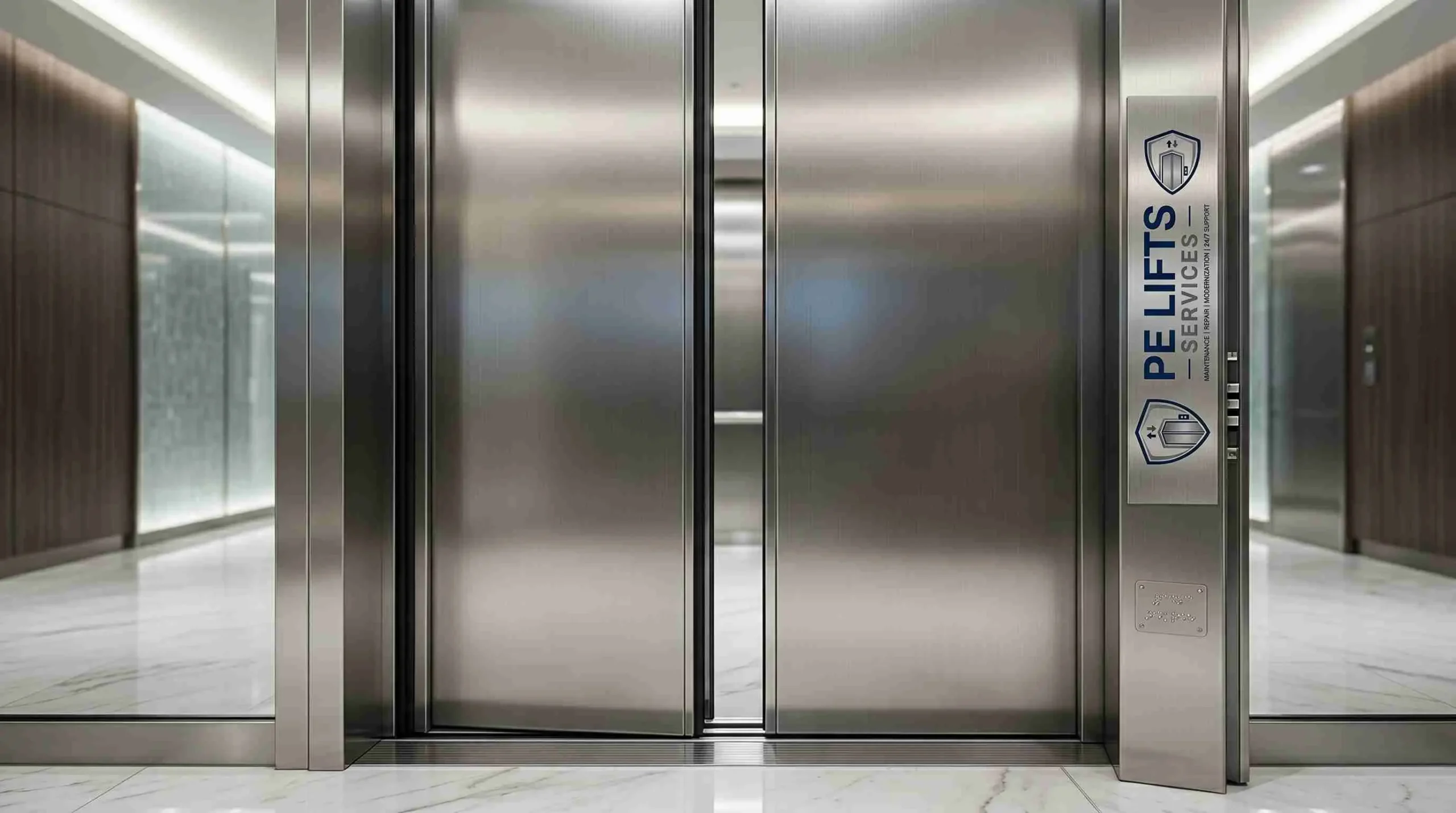

For facility managers and building owners, ensuring vertical mobility is not just about convenience—it is a critical component of safety, regulatory compliance, and tenant satisfaction. But a common question remains: how often should commercial elevators be serviced? The answer depends on usage, building type, and regulatory standards. This comprehensive guide breaks down the ideal commercial elevator maintenance schedule, industry best practices, and how partnering with a trusted elevator maintenance company in Nigeria like PE Lifts Services can protect your asset and your people.
Why Is Regular Elevator Servicing Important?
Regular elevator servicing is the backbone of facility management. Elevators are complex mechanical and electrical systems with hundreds of moving parts. Without structured preventive elevator maintenance, minor wear and tear can escalate into catastrophic failures, leading to:
- Safety Hazards: Malfunctioning doors, sudden stops, or cable wear pose severe risks to passengers.
- Costly Emergency Repairs: Reactive maintenance is typically 3 to 4 times more expensive than scheduled preventive care.
- Increased Downtime: Unplanned breakdowns disrupt daily operations, frustrating tenants and visitors.
- Regulatory Non-Compliance: Commercial buildings must adhere to strict safety codes, which require documented, routine inspections.
How Often Should Commercial Elevators Be Serviced?
The commercial elevator maintenance schedule is not one-size-fits-all. However, industry standards and expert guidelines recommend a tiered approach to elevator servicing frequency for office buildings and other commercial spaces:
- Daily Observations: Facility staff should perform visual checks for unusual noises, erratic door movements, or flickering lights.
- Monthly Inspections: A certified technician should conduct routine safety checks, test emergency alarms, and inspect door operators and braking systems.
- Quarterly Preventive Maintenance: Deeper inspections involving the lubrication of moving parts, alignment checks, and testing of safety governors.
- Annual Safety Inspections: A comprehensive, code-compliant audit of the entire elevator system, often required by local regulatory bodies in Nigeria and across West Africa.
- Factors Affecting Service Frequency: Elevator age, daily traffic volume, operating hours, and environmental conditions (e.g., dust, humidity) directly influence how often servicing is required.
How Do Building Type and Usage Levels Affect Maintenance?
Different facilities place vastly different demands on their vertical transportation systems. Here is how elevator servicing frequency adapts to specific environments:
- Office Buildings: Experience heavy, predictable traffic peaks during morning arrivals and evening departures. Monthly servicing is the baseline.
- Hotels: Require quiet, smooth operation and 24/7 reliability. Luggage transport and constant use demand frequent door mechanism checks.
- Hospitals: Demand the highest reliability for patient transport, stretchers, and emergency response. Specialized, bi-weekly or monthly maintenance is critical.
- Shopping Malls: High foot traffic, including children and elderly patrons, necessitates rigorous monthly safety checks and frequent door sensor calibration.
- Residential Towers: While usage is lower than malls, consistent weekly traffic requires standard monthly preventive maintenance to ensure resident safety.
- Industrial Facilities: Elevators or freight lifts in these settings face heavy loads and harsh environments, requiring specialized, high-frequency maintenance plans.
| Building Type | Recommended Service Frequency | Maintenance Priority |
|---|---|---|
| Office Building | Monthly | High (Peak hour reliability) |
| Hospital | Bi-weekly to Monthly | Critical (Life safety & emergency) |
| Hotel | Monthly | High (Guest experience & 24/7 uptime) |
| Shopping Mall | Monthly | High (High foot traffic & safety) |
| Residential Tower | Monthly | Medium-High (Resident safety) |
What Are the Best Practices for Commercial Elevator Servicing?
To maximize uptime and safety, facility managers should enforce the following best practices:
- Preventive Maintenance Plans: Shift from reactive fixes to scheduled care. An annual maintenance contract for commercial elevators ensures predictable budgeting and consistent care.
- Routine Safety Checks: Verify that door sensors, emergency communication systems, and backup power supplies function flawlessly.
- Component Lubrication: Regularly lubricate rails, cables, and motor bearings to reduce friction and prevent premature wear.
- Performance Testing: Conduct load tests and ride-quality assessments to ensure smooth acceleration and deceleration.
- Maintenance Documentation: Keep detailed, digital logs of all services, parts replaced, and technician notes. This is vital for warranty claims and regulatory audits.
Factors That Determine Elevator Service Frequency
(Note: In the downloadable DOCX file, this is rendered as a visual bar chart. To make it fully editable in Word, go to Insert > Chart > Bar Chart and input the factors below).
- Building Type (Highest Impact)
- Daily Traffic
- Operating Hours
- Elevator Age
- Maintenance History
How Does PE Lifts Services Help Commercial Buildings Stay Operational?
When it comes to securing your vertical mobility, PE Lifts Services stands out as a premier elevator maintenance company in Nigeria. With over 15 years of experience in the elevator maintenance, modernization, and technical support sector, we provide reliable, structured solutions tailored to your building’s unique needs
peliftsservices.com.
Our comprehensive elevator AMC services include:
- Regular Preventive Maintenance Visits: Scheduled monthly or quarterly checks to catch issues before they escalate peliftsservices.com.
- 24/7 Emergency Breakdown Support: Rapid response teams ready to resolve unexpected faults, minimizing downtime peliftsgroup.com.
- Detailed Inspection Reports: Transparent, digital documentation of every service visit, ensuring you remain compliant with safety regulations peliftsgroup.com.
- Priority Service & Discounted Parts: AMC clients benefit from prioritized scheduling and cost-effective replacement components peliftsservices.com.
Real-World Case Studies
Case Study 1: Corporate Office Tower in Lagos
A 15-story commercial building experienced frequent door malfunctions during peak hours. PE Lifts Services implemented a customized monthly preventive maintenance plan, recalibrated the door operators, and upgraded the control system. Result: 99.8% uptime and a 40% reduction in tenant complaints within three months.
Case Study 2: Private Healthcare Facility in Abuja
A hospital required zero-tolerance for elevator downtime due to patient transport needs. PE Lifts Services provided a specialized bi-weekly maintenance schedule, focusing on backup power integration and emergency brake testing. Result: Uninterrupted service for over two years, ensuring critical care mobility.
Case Study 3: Luxury Hotel in Port Harcourt
Facing guest complaints about noisy elevator rides, the hotel management partnered with PE Lifts Services. Our team conducted a comprehensive performance test, lubricated guide rails, and replaced worn rollers. Result: Silent, smooth operation and improved guest satisfaction scores.
Frequently Asked Questions
1. How often should commercial elevators be serviced?
Commercial elevators should undergo professional preventive maintenance at least once a month, with more frequent checks for high-traffic or critical facilities like hospitals
2. What is included in an elevator AMC?
An annual maintenance contract (AMC) typically includes routine inspections, lubrication, safety testing, cleaning, priority emergency response, and discounted replacement parts
3. Can preventive maintenance reduce elevator repair costs?
Yes. Preventive elevator maintenance identifies and resolves minor issues before they become major, costly breakdowns, saving building owners up to 30–40% in long-term repair costs
4. Why is elevator maintenance critical for hospitals?
Hospitals require specialized elevator maintenance to ensure absolute reliability for patient transport, infection control, and emergency response scenarios
5. How does elevator servicing improve tenant satisfaction?
Reliable, smooth, and safe elevator operation directly impacts the daily experience of tenants and visitors, reducing frustration and enhancing the building’s professional reputation
6. What factors affect elevator servicing frequency?
Key factors include building type, daily traffic volume, elevator age, operating hours, and the specific environmental conditions of the facility.
7. Why choose PE Lifts Services for commercial elevator maintenance in Nigeria?
PE Lifts Services offers over 15 years of expertise, 24/7 emergency support, tailored AMC plans, and a proven track record of keeping commercial buildings operational and compliant across West Africa
Conclusion
Regular commercial elevator servicing is not an optional expense; it is a strategic investment that reduces unexpected downtime, extends equipment lifespan, and, most importantly, ensures the safety of everyone who steps inside. By adhering to a structured maintenance schedule and partnering with a trusted elevator maintenance company in Nigeria, facility managers can guarantee seamless vertical mobility.
Don’t wait for a breakdown to disrupt your operations. Contact PE Lifts Services today at +234 702 521 1116 or info@peliftsservices.com to discuss a customized commercial elevator maintenance plan that keeps your building safe, compliant, and running smoothly