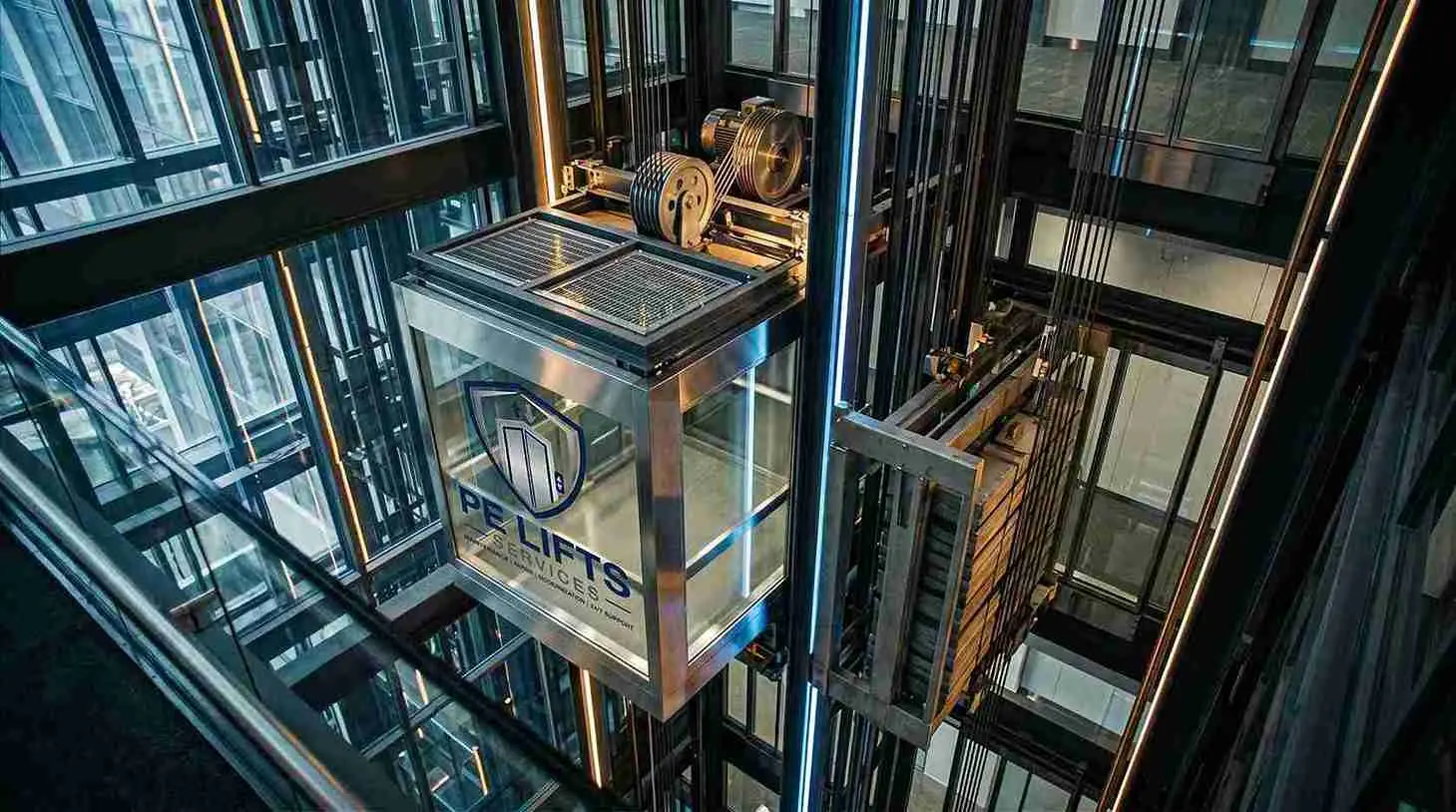

In commercial and residential buildings across Nigeria, Ghana, and the wider West African region, elevator reliability is not just a convenience—it is a critical operational requirement. When an elevator breaks down, the speed of the repair almost always depends on one crucial factor: the availability of the right elevator spare parts.
For building owners and facility managers, understanding how parts availability impacts repair timelines, safety, and maintenance costs is essential for minimizing downtime and protecting tenant satisfaction.
Why Are Spare Parts Important for Fast Elevator Repairs?
The availability of elevator maintenance parts directly dictates how quickly a system can be restored to safe operation. When a technician diagnoses a fault, the repair clock starts. If the required component is in a local service vehicle or a nearby regional warehouse, commercial elevator repairs can often be completed in a single visit.
Conversely, when parts are unavailable, repair timelines stretch from hours to weeks. In high-traffic environments like corporate headquarters in Victoria Island, Lagos, or busy hospitals in Accra, extended elevator downtime disrupts operational continuity, creates severe accessibility issues, and compromises passenger safety. Furthermore, delayed repairs often force facility managers to pay premium emergency shipping fees, significantly inflating overall maintenance costs.
What Happens When the Right Elevator Spare Parts Are Not Available?
Failing to maintain an adequate supply of critical components leads to a cascade of operational challenges:
- Extended Downtime: Elevators remain out of service while waiting for international shipments or custom fabrication.
- Delayed Repairs: Technicians must make multiple site visits—first to diagnose the issue, and later to install the part once it finally arrives.
- Temporary Solutions: In desperate situations, some unqualified technicians might apply unsafe or unverified "band-aid" fixes that bypass safety circuits, putting passengers at serious risk.
- Increased Operational Costs: Expedited air freight, import duties, and repeated labor call-outs quickly erode annual maintenance budgets.
- Tenant and Customer Dissatisfaction: In residential estates or luxury hotels, broken elevators lead to complaints, lost revenue, and a damaged property reputation.
What Is the Difference Between OEM and Alternative Elevator Parts?
When sourcing elevator spare parts, facility managers typically encounter two main categories. Understanding the difference is vital for safety and compliance.
- OEM (Original Equipment Manufacturer) Parts: These are manufactured by or for the original brand. They guarantee exact compatibility, preserve the manufacturer’s warranty, and meet stringent international safety standards.
- Approved or Compatible Alternatives: These are third-party parts engineered to meet or exceed OEM specifications. While high-quality alternatives can be cost-effective, unverified or cheap aftermarket parts can cause system incompatibilities, premature wear, or dangerous safety failures.
- Quality and Safety Implications: It is highly recommended that building owners never compromise on safety-critical components like brakes, governor ropes, or door sensors. Always rely on a certified elevator maintenance company to verify compatibility and safety implications before installing non-OEM parts.
- Warranty Considerations: Using unauthorized parts can void existing warranties and invalidate insurance policies in the event of an accident.
Which Elevator Components Commonly Require Replacement?
Elevator systems are complex machines subject to heavy daily use and environmental factors like West African heat and humidity. Common elevator maintenance parts that frequently require replacement include:
- Door Components: Rollers, tracks, and hangers (door malfunctions account for the majority of elevator faults).
- Sensors: Infrared door edges and positioning sensors.
- Buttons and Switches: Car call and hall station buttons subject to physical wear.
- Electrical Components: Relays, contactors, and fuses.
- Control System Parts: Circuit boards and frequency drives.
- Wear-and-Tear Parts: Guide shoes, suspension ropes, and brake pads.
Note: Replacement requirements depend entirely on the elevator model, its age, environmental conditions, and the professional assessment of a qualified technician.
How Does Spare Parts Inventory Management Reduce Elevator Downtime?
Proactive inventory management is the secret to reducing elevator downtime with spare parts. Professional elevator repair services utilize strategic planning to ensure critical spares are always within reach.
- Critical Parts Identification: Analyzing equipment history to identify parts that fail most often.
- Stock Planning: Keeping high-wear items locally stocked in regional hubs like Lagos or Accra.
- Equipment History: Tracking the lifecycle of components to predict failures before they happen.
- Supplier Relationships: Leveraging direct OEM supply chains to bypass retail and customs delays.
- Faster Procurement: Streamlining the importation and delivery of specialized parts.
- Preventive Replacement: Swapping out aging components during scheduled maintenance before they cause a breakdown.
Comparison: Good vs. Poor Parts Availability
| Factor | Good Parts Availability | Poor Parts Availability |
|---|---|---|
| Repair Time | Completed in hours (single visit) | Delayed by days or weeks |
| Elevator Downtime | Minimal disruption to tenants | Severe operational impact |
| Maintenance Cost | Predictable and controlled | High due to emergency freight & repeat labor |
| Emergency Response | Rapid, effective, and safe | Stalled waiting for logistics |
| Customer Satisfaction | High reliability and trust | Frustration and formal complaints |
| Factor | Impact Score (1-100) |
|---|---|
| Repair Speed | 90 |
| Downtime Reduction | 95 |
| Maintenance Cost Control | 80 |
| Equipment Reliability | 92 |
| Customer Satisfaction | 88 |
How Should Building Owners Evaluate an Elevator Maintenance Company's Parts Strategy?
When selecting an elevator maintenance company, facility managers must look beyond routine servicing. Ask the following questions to evaluate their parts strategy:
- Technical Expertise: Are the engineers factory-trained to diagnose exactly which part is failing?
- Parts Sourcing: Do they have direct access to genuine OEM parts and high-quality compatible alternatives for major global brands?
- Compatibility Checks: Do they perform rigorous testing to ensure new parts integrate safely with legacy control systems?
- Documentation and Transparency: Do they provide transparent records and warranties for every part installed?
- Procurement Processes: How do they handle international shipping and customs clearance for obsolete parts?
- Emergency Support: Can they procure critical parts after hours or on weekends?
How Does PE Lifts Services Approach Elevator Repairs and Maintenance?
Based on verified service capabilities, PE Lifts Services stands out as a premier elevator maintenance and technical support partner across West Africa. With over 15 years of regional experience, they provide comprehensive Spare Parts Support, sourcing genuine OEM quality components for major brands including OTIS, KONE, Schindler, TK Elevator, Mitsubishi, Fujitec, and Hyundai.
Rather than acting merely as parts suppliers, their factory-trained engineers integrate parts sourcing into their Annual Maintenance Contracts (AMC) and technical audits. This proactive approach allows them to anticipate failures and keep critical inventory accessible. Operating across Nigeria, Ghana, and Togo, PE Lifts Services guarantees rapid emergency response times—often within 2 hours in major cities like Lagos, Abuja, Accra, and Lomé—ensuring that commercial elevator repairs are executed swiftly and safely using verified, manufacturer-approved components.
Realistic Examples: How Parts Availability Influences Repair Outcomes
(The following scenarios are illustrative examples of industry dynamics.)
- Example 1: The Proactive Hotel Maintenance (Lagos) During a routine technical audit at a luxury hotel, an engineer notices excessive wear on a specific door roller model. Anticipating a failure, the engineer ensures a replacement set is placed in the local service vehicle. Two weeks later, the roller snaps during peak check-in. The technician replaces it immediately from his van, restoring the elevator in under 30 minutes with zero guest disruption.
- Example 2: The Unplanned Corporate Breakdown (Accra) An aging office tower experiences a control board failure. The facility manager's previous contractor did not maintain an equipment history or stock obsolete spares. The specific board must be flown in from Europe, incurring heavy customs delays and emergency shipping fees. The elevator remains out of service for six days, frustrating tenants and costing the management company thousands in expedited logistics.
Frequently Asked Questions (FAQs)
1. Why does elevator spare parts availability affect repair time? Readily available parts eliminate international shipping delays and procurement bottlenecks, allowing technicians to complete commercial elevator repairs in a single visit, drastically reducing elevator downtime.
2. Are OEM elevator spare parts better than alternatives? OEM (Original Equipment Manufacturer) parts guarantee exact compatibility and preserve the elevator’s warranty and safety certifications. High-quality, approved alternatives can be safe, but only if verified and installed by certified engineers.
3. What are the most common elevator maintenance parts to replace? Door rollers, infrared sensors, call buttons, relays, and guide shoes are the most frequently replaced wear-and-tear components in commercial elevators.
4. How can I reduce elevator downtime with spare parts? Partner with an elevator maintenance company that conducts regular technical audits to predict failures and keeps critical, high-wear spares locally available in your region.
5. Does an Annual Maintenance Contract (AMC) cover elevator spare parts? Standard AMCs typically cover labor and routine preventive maintenance. Major replacement parts may incur additional costs, though comprehensive AMC plans often include priority sourcing and discounted rates on spare parts.
6. How fast can emergency elevator repairs be completed in West Africa? Leading regional providers like PE Lifts Services guarantee rapid response times, often arriving within 2 hours for emergency calls in major cities like Lagos, Abuja, Accra, and Lomé.
7. Where can I source commercial elevator repair parts in Nigeria and Ghana? Professional elevator maintenance companies source genuine parts directly from global manufacturers and manage the complex logistics, customs, and compatibility checks on behalf of the building owner.
Conclusion
Reliable access to suitable, quality-assured elevator spare parts is the backbone of effective elevator maintenance and repair. It is the difference between a minor inconvenience and a multi-day operational crisis. For building owners and facility managers in Nigeria, Ghana, and Togo, attempting to manage elevator repairs without a robust parts strategy is a significant risk to safety and profitability.
Take Action Today: Do not wait for a critical failure to test your elevator support system. Partner with a professional, regionally experienced maintenance partner that can properly assess, source, and install appropriate components. Contact PE Lifts Services today to request an inspection or discuss a tailored Annual Maintenance Contract (AMC) that secures your building's vertical transportation.