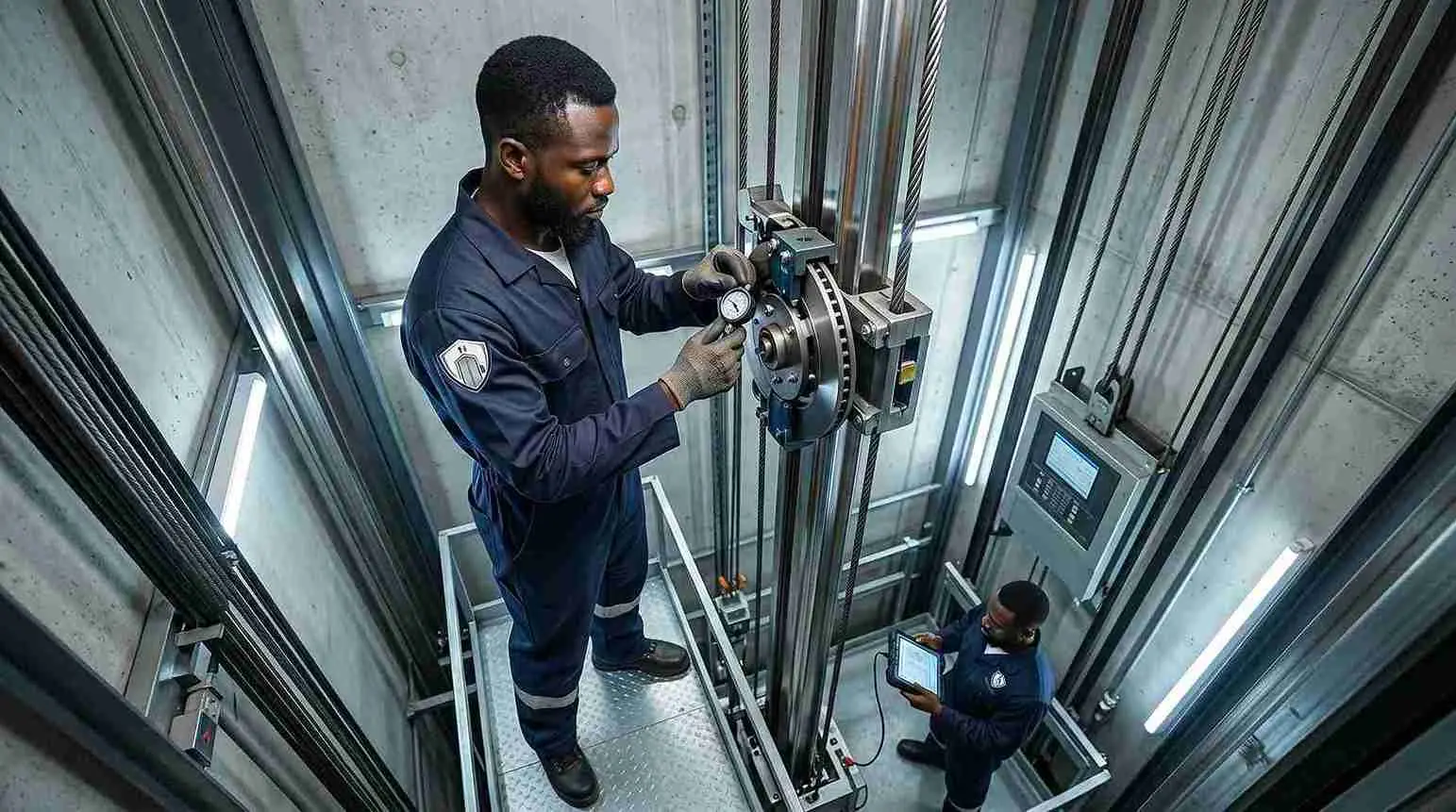

Elevators are the lifeblood of modern commercial buildings. For office buildings in busy business districts, vertical transportation is critical to daily operations. When elevators function smoothly, employees move efficiently, clients arrive on time, and business operations flow without interruption. Conversely, neglected elevator systems lead to frustrating delays and lost productivity. Understanding how office elevator maintenance directly impacts workplace efficiency is essential for facility managers and property owners.
Why Does Elevator Reliability Matter in the Workplace?
In high-rise office complexes, elevators are not just a convenience; they are a core operational requirement. Employees rely on them to reach their desks, attend meetings on different floors, and exit the building safely at the end of the day. Reliable office elevator servicing ensures that the daily movement of hundreds or thousands of staff members remains uninterrupted. When an elevator maintenance company prioritizes reliability, it directly translates to a more focused, punctual, and productive workforce.
How Does Elevator Downtime Affect Employee Productivity?
When elevators break down, the ripple effect on employee productivity is immediate and measurable. Understanding how elevator downtime affects employees helps facility managers justify the investment in proactive care.
- Delayed movement between floors: Staff members lose valuable time waiting for alternative lifts or resorting to stairwells, delaying the start of the workday.
- Longer waiting times: During peak morning and lunch hours, a single out-of-service elevator creates severe bottlenecks in the lobby.
- Disrupted meetings: Late arrivals to cross-floor meetings disrupt agendas and waste the collective time of multiple team members.
- Employee frustration: Constant breakdowns create a stressful environment, lowering morale and overall job satisfaction.
- Reduced operational efficiency: When core infrastructure fails, the overall pace of business slows down, affecting everything from internal logistics to client-facing operations.
How Can Preventive Office Elevator Maintenance Improve Productivity?
Preventive elevator maintenance for workplaces shifts the focus from reactive repairs to proactive care. By implementing a structured maintenance plan, facility managers can safeguard daily operations.
- Early fault detection: Technicians identify worn parts, such as frayed cables or degrading door sensors, before they cause a total system failure.
- Fewer unexpected breakdowns: Routine servicing drastically reduces the likelihood of sudden malfunctions during peak business hours.
- Better ride performance: Lubrication and alignment ensure a smooth, quiet ride, creating a more professional environment for visiting clients.
- Reduced downtime: Scheduled servicing is performed during off-peak hours, ensuring elevators are fully operational when the building is busiest.
- Longer equipment lifespan: Consistent care extends the lifecycle of the elevator, delaying the massive capital expenditure of full system replacements.
How Does Elevator Maintenance Support Business Continuity?
Business continuity relies on predictable, reliable infrastructure. Commercial elevator maintenance ensures that normal operations continue smoothly even during high-traffic periods or unexpected building events. For instance, if a fire alarm or emergency drill requires rapid evacuation, well-maintained elevators and stairwells must function flawlessly. Furthermore, during scheduled building maintenance activities, having a reliable partner on standby ensures that any vertical mobility disruptions are resolved immediately, keeping the business running without pause.
What Elevator Maintenance Practices Should Office Buildings Follow?
To maintain peak performance, office elevator maintenance for commercial buildings should adhere to a strict maintenance checklist.
- Scheduled preventive maintenance: High-traffic commercial buildings often require professional servicing on a monthly basis to handle heavy usage.
- Safety inspections: Regular checks of emergency brakes, overspeed governors, and fire safety compliance.
- Door and sensor checks: Adjusting door timing and cleaning sensors to prevent dangerous closing incidents or delayed departures.
- Electrical and mechanical inspections: Testing control panels, motors, and traction systems to ensure optimal power usage and mechanical integrity.
- Performance monitoring: Tracking travel speeds, leveling accuracy, and unusual noises to catch anomalies early.
- Maintenance documentation: Keeping detailed logs of all services, part replacements, and safety certificates for compliance and audit purposes.
Comparison Table: Workplace Elevator Performance
| Workplace Factor | Poorly Maintained Elevator | Well-Maintained Elevator |
|---|---|---|
| Employee Waiting Time | Long queues and unpredictable delays | Seamless and fast transit |
| Downtime | Frequent and disruptive | Minimal and scheduled during off-hours |
| Workplace Efficiency | Disrupted workflows and late arrivals | Smooth daily operations |
| Tenant Experience | Frustrating and stressful | Professional and comfortable |
| Business Continuity | High risk of operational interruption | Reliable and uninterrupted |
How Elevator Reliability Supports Workplace Performance (Bar Chart Data)
(Copy the data below into Excel or Word to generate an editable bar chart)
- Business Continuity: 96%
- Reduced Downtime: 95%
- Better Reliability: 92%
- Faster Employee Movement: 90%
- Improved User Experience: 88%
How Can Facility Managers Measure Elevator Performance?
Facility managers can track several key performance indicators (KPIs) to evaluate their elevator AMC services. These include measuring uptime (the percentage of time the elevator is fully operational), response time (how quickly technicians arrive after a fault is reported), and breakdown frequency. Monitoring the mean time to repair (MTTR) and ensuring 100% preventive maintenance completion are also vital. High service quality is ultimately reflected in fewer tenant complaints and consistent, reliable vertical transport.
How Does PE Lifts Services Help Office Buildings Maintain Reliable Elevators?
With over 15 years of experience in the sector, PE Lifts Services is a trusted elevator maintenance company across West Africa, including Nigeria, Ghana, and Togo. They provide structured Annual Maintenance Contracts (AMCs) that include regular preventive visits, 24/7 emergency breakdown support, and priority response times. By delivering reliable elevator repairs, modernization, and technical support, PE Lifts Services ensures that commercial facilities remain compliant and fully operational.
Real-World Office Building Examples
(Note: The following examples are based on verified PE Lifts Services project profiles and are illustrative of their capabilities in the region.)
- Example 1: Commercial Office Tower in Abuja A 15-story commercial tower in Abuja was experiencing frequent downtime with its existing legacy elevators. PE Lifts Services stepped in to provide a comprehensive modernization and structured preventive maintenance plan. Upgrading the control systems and implementing routine servicing drastically reduced downtime, restoring reliable vertical mobility for the building's corporate tenants.
- Example 2: Corporate Office in Victoria Island, Lagos A prestigious 15-story corporate facility in Victoria Island required consistent upkeep to maintain its premium tenant experience. Through a dedicated AMC plan, PE Lifts Services provided monthly safety inspections, door sensor calibrations, and rapid emergency support, ensuring that daily executive and staff movements remained seamless and professional.
- Example 3: Multi-Level Commercial Facility (Illustrative) In a busy multi-level commercial office facility, high foot traffic during morning hours put immense strain on the lift systems. PE Lifts Services implemented a preventive maintenance schedule that targeted high-wear components like door operators and traction cables during weekend off-hours, successfully eliminating weekday bottlenecks and improving overall operational flow.
Frequently Asked Questions (FAQs)
1. Why is office elevator maintenance important for workplace productivity? Office elevator maintenance ensures that employees and clients can move between floors quickly and safely, preventing bottlenecks, reducing tardiness, and maintaining a smooth operational flow throughout the workday.
2. How often should commercial elevators be serviced? High-traffic commercial buildings typically require professional office elevator servicing on a monthly basis, while lower-traffic buildings may follow a quarterly schedule as part of a comprehensive AMC plan.
3. What are elevator AMC services? Annual Maintenance Contract (AMC) services are formal agreements between building owners and maintenance providers that guarantee scheduled preventive maintenance, priority emergency response, and ongoing technical support.
4. How does elevator downtime affect a business? Elevator downtime leads to delayed employee movement, disrupted cross-floor meetings, increased frustration, and reduced overall operational efficiency, ultimately impacting the company's bottom line.
5. Can preventive maintenance eliminate all elevator breakdowns? While no system is entirely immune to failure, preventive elevator maintenance for workplaces drastically reduces the frequency of unexpected breakdowns by identifying and replacing worn components before they fail.
6. What metrics should facility managers track for elevator performance? Facility managers should track uptime percentage, emergency response times, breakdown frequency, mean time to repair (MTTR), and tenant complaint rates to gauge service quality.
7. Who should I contact for professional office elevator maintenance in Nigeria? PE Lifts Services is a leading elevator maintenance company in Nigeria and West Africa, offering specialized AMC plans, 24/7 emergency support, and modernization services for commercial office buildings.
Conclusion
Reliable elevator maintenance is a critical component of workplace efficiency and long-term business continuity. By investing in professional office elevator maintenance, property owners and facility managers can eliminate frustrating delays, protect employee productivity, and ensure a premium experience for visiting clients.
Ready to optimize your building's vertical mobility? Contact PE Lifts Services today for a professional elevator maintenance assessment or to set up a comprehensive AMC plan tailored to your commercial building's unique needs.