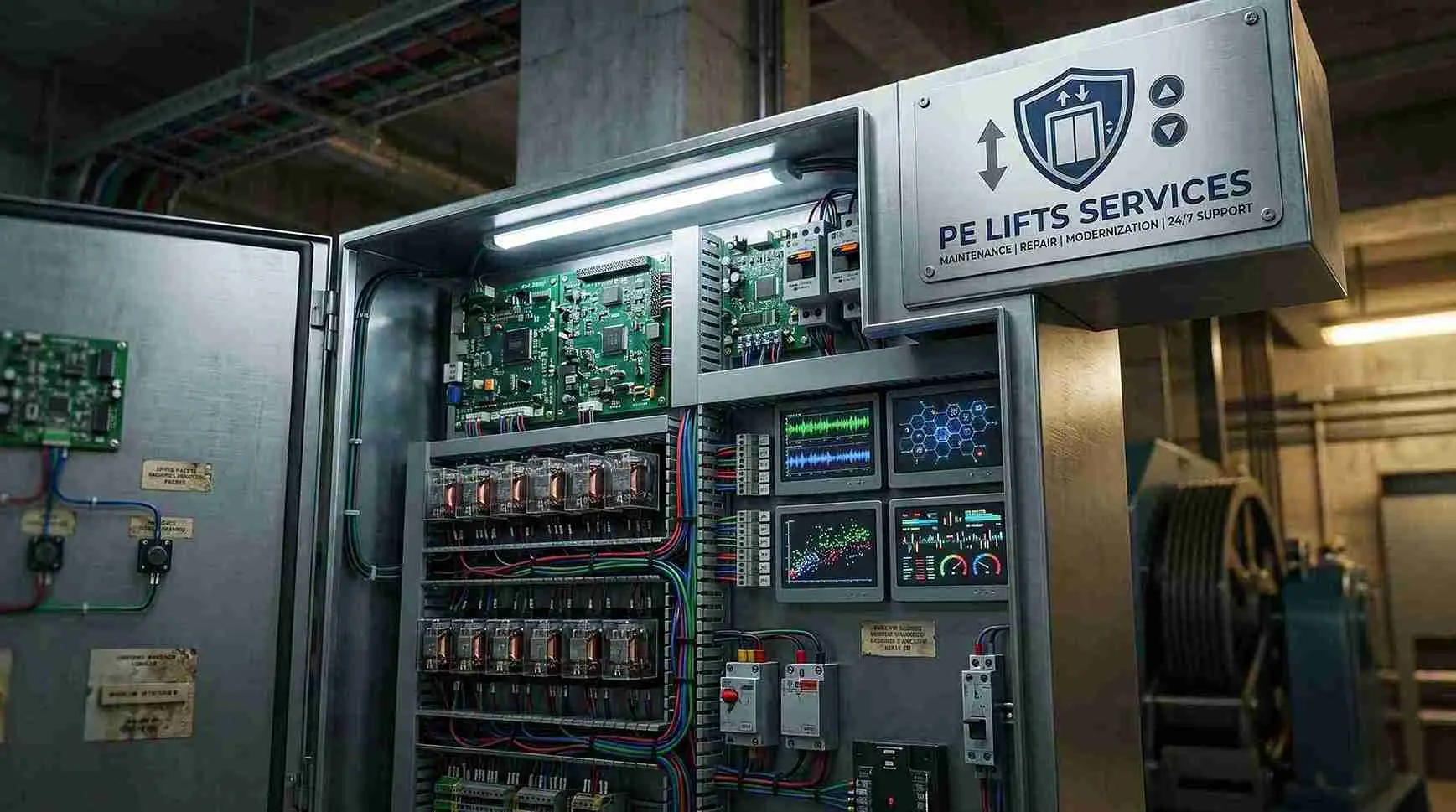

Elevators are the vertical lifelines of modern buildings. For facility managers, ensuring these systems operate safely and efficiently is a top priority. A well-structured elevator maintenance checklist is essential for preventing breakdowns, ensuring passenger safety, and extending the lifespan of the equipment. Whether you manage a commercial high-rise, a hospital, or a residential complex in Nigeria, following a preventive elevator maintenance routine is non-negotiable.
In this comprehensive guide, we will walk you through a professional lift maintenance checklist, explain the importance of routine inspections, and show how partnering with a reliable elevator maintenance company in Nigeria like PE Lifts Services can keep your buildings running smoothly.
Why Is a Proper Elevator Maintenance Checklist Important?
Preventive elevator maintenance is the backbone of vertical transportation safety. Neglecting routine inspections can lead to unexpected breakdowns, costly emergency repairs, and severe safety hazards.
According to industry standards, elevators require regular servicing to comply with safety regulations. A proper elevator maintenance checklist helps facility managers:
- Prevent Downtime: Catching minor issues early prevents major system failures.
- Ensure Passenger Safety: Regular checks of safety devices protect users from accidents.
- Extend Equipment Lifespan: Proper lubrication and adjustments reduce wear and tear.
- Maintain Compliance: Routine inspections ensure your building meets local and international safety codes.
What Should Facility Managers Check Every Month?
Monthly inspections are crucial for identifying everyday wear and tear. Facility managers should perform or oversee the following checks:
- Elevator Doors: Check door sensors, tracks, and closing mechanisms to prevent entrapment.
- Lighting and Alarms: Ensure cabin lighting is functional and emergency alarms/intercoms are working.
- Ride Quality: Monitor for unusual jerks, vibrations, or leveling issues when the elevator stops at floors.
- Buttons and Indicators: Test all floor buttons, emergency stop buttons, and digital displays.
- Noise and Vibration: Listen for strange grinding or squeaking noises from the shaft or machine room.
What Should Be Included in Quarterly Elevator Inspections?
Quarterly inspections require a more detailed approach, often conducted by certified technicians. Key items include:
- Control Systems: Inspect the control panel, wiring, and software for any error codes or loose connections.
- Safety Devices: Test safety gears, governors, and buffers to ensure they engage properly in an emergency.
- Machine Room Inspection: Check the motor, brake system, and drive sheave for signs of overheating or wear.
- Lubrication and Adjustments: Lubricate guide rails, door tracks, and other moving parts to ensure smooth operation.
Why Are Annual Elevator Inspections Critical?
Annual inspections are comprehensive evaluations required for regulatory compliance and long-term reliability.
- Comprehensive System Review: A full assessment of all mechanical and electrical components.
- Safety Testing: Load testing and emergency brake testing to verify the elevator can handle maximum capacity safely.
- Regulatory Compliance: Ensuring the elevator meets the standards set by local authorities and international bodies.
- Performance Evaluation: Assessing the overall efficiency and planning for any necessary modernization or upgrades.
Elevator Maintenance Checklist
Here is a quick-reference table for your facility management team:
| Inspection Item | Monthly | Quarterly | Annually | Priority Level |
|---|---|---|---|---|
| Door Sensors & Tracks | X | X | X | High |
| Emergency Alarms & Intercoms | X | X | X | Critical |
| Cabin Lighting & Indicators | X | X | X | Medium |
| Ride Quality & Leveling | X | X | X | High |
| Control Systems & Wiring | X | X | High | |
| Safety Gears & Governors | X | X | Critical | |
| Machine Room & Motor | X | X | High | |
| Lubrication of Moving Parts | X | X | Medium | |
| Full Load & Brake Testing | X | Critical |
Why Is Maintenance Documentation Important?
Keeping detailed records of all maintenance activities is just as important as the physical inspections. Proper documentation provides:
- Service Records: A clear history of all preventive maintenance performed.
- Inspection Logs: Timestamped records of monthly and quarterly checks.
- Repair History: Details of any parts replaced or repairs made, helping predict future failures.
- Warranty Support: Ensuring that all manufacturer warranties remain valid through proof of regular servicing.
How Does Proper Documentation Support Compliance?
In the event of an incident or a regulatory audit, your maintenance logs are your first line of defense.
- Regulatory Requirements: Authorities require proof of annual certifications and routine checks.
- Audit Readiness: Organized records make compliance audits seamless and stress-free.
- Risk Management: Identifying recurring issues through logs helps mitigate long-term risks.
- Liability Reduction: Proving that all maintenance was performed according to industry standards protects the facility from legal liabilities.
Most Important Elevator Maintenance Activities
- Safety Inspections: 95%
- Compliance Checks: 90%
- Preventive Maintenance: 85%
- Emergency Testing: 80%
- Documentation: 75%
How Can PE Lifts Services Help Facility Managers Stay Compliant?
Managing elevator maintenance in-house can be complex and risky. Partnering with a professional elevator maintenance company in Nigeria like PE Lifts Services ensures your assets are in expert hands.
PE Lifts Services offers comprehensive solutions tailored for facility managers:
- AMC Programs: Customized Annual Maintenance Contracts that cover routine inspections, parts replacement, and priority support.
- Scheduled Inspections: Strict adherence to monthly, quarterly, and annual maintenance schedules.
- Reporting and Documentation: Detailed digital logs and compliance reports provided after every visit.
- Emergency Support: 24/7 emergency callout services to minimize downtime and ensure passenger safety.
With a strong presence across Nigeria and West Africa, PE Lifts Services combines local expertise with international safety standards to keep your elevators running flawlessly.
Common Elevator Maintenance Mistakes Facility Managers Should Avoid
Even with the best intentions, facility managers can make critical errors. Avoid these common pitfalls:
- Ignoring Unusual Noises: Small sounds often indicate major mechanical issues.
- Delaying Repairs: Postponing minor fixes leads to catastrophic failures and higher costs.
- Skipping Documentation: Failing to log maintenance voids warranties and complicates compliance.
- Using Non-Certified Technicians: Always ensure your maintenance provider employs certified elevator engineers.
- Neglecting the Machine Room: The heart of the elevator needs a clean, climate-controlled environment.
Frequently Asked Questions
1. How often should commercial elevators be serviced? Commercial elevators should be serviced monthly for basic checks, quarterly for detailed inspections, and annually for comprehensive safety testing and compliance certification.
2. What is included in an Annual Maintenance Contract (AMC) for elevators? An AMC typically includes scheduled preventive maintenance, emergency repair support, replacement of standard wear-and-tear parts, and 24/7 technical assistance.
3. Why is preventive elevator maintenance important? Preventive maintenance reduces unexpected breakdowns, extends the elevator's lifespan, ensures passenger safety, and helps avoid costly emergency repairs.
4. How can I ensure my elevator meets safety compliance in Nigeria? To ensure compliance, partner with a certified elevator maintenance company in Nigeria like PE Lifts Services that follows international safety standards and provides detailed inspection logs.
5. What should I do if my elevator makes a strange noise? If you notice unusual noises, vibrations, or jerky movements, immediately restrict access to the elevator and contact your maintenance provider for an emergency inspection.
6. How long does an elevator maintenance inspection take? A routine monthly inspection typically takes 1 to 2 hours, while a comprehensive annual inspection may take half a day depending on the building's height and the number of elevator units.
7. Can PE Lifts Services handle maintenance for all elevator brands? Yes, PE Lifts Services has the technical expertise to maintain, repair, and modernize elevators of various brands and models across residential, commercial, and industrial buildings.
Conclusion
A proactive elevator maintenance checklist is an essential tool for every facility manager. By conducting regular monthly, quarterly, and annual inspections, you ensure the safety of your building's occupants, maintain regulatory compliance, and protect your investment. However, the complexity of modern elevator systems requires the expertise of certified professionals.
Don't wait for a breakdown to prioritize your vertical transportation systems. Partner with PE Lifts Services for reliable, compliant, and comprehensive elevator maintenance across Nigeria.
Contact PE Lifts Services today to schedule your elevator inspection or discuss a customized Annual Maintenance Contract (AMC) for your facility.