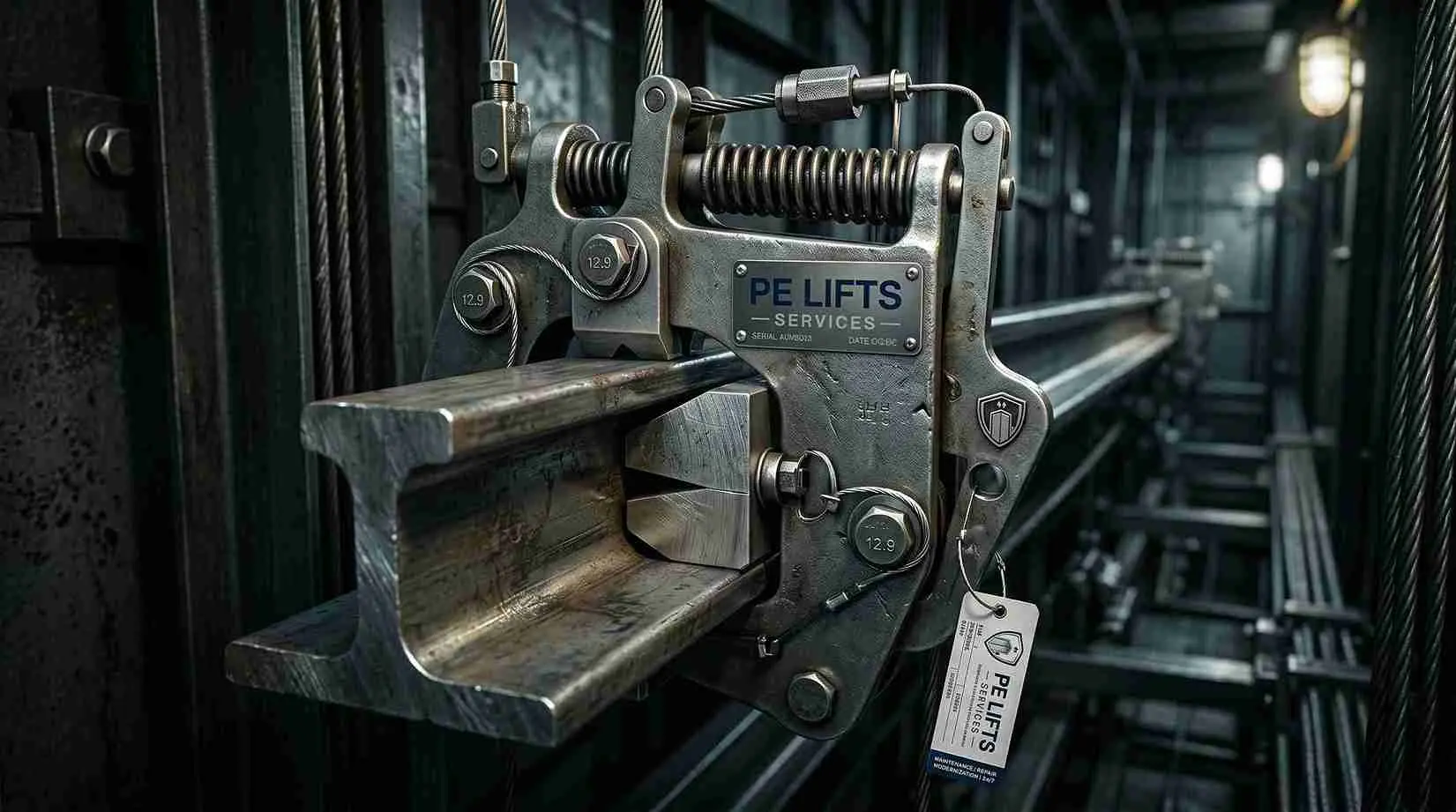

Elevators are the vertical lifelines of modern buildings. Whether you manage a bustling commercial complex in Lagos, a hospital in Abuja, or a hospitality venue in Accra, elevator reliability is non-negotiable. However, even the most advanced lift systems require consistent care. This is where a structured elevator maintenance contract becomes essential.
But what is included in an elevator maintenance contract, and how do you ensure you are getting the best value? This comprehensive guide breaks down the critical components of a lift maintenance contract, helping facility managers and building owners make informed, cost-effective decisions.
What Is an Elevator Maintenance Contract?
An elevator maintenance contract is a formal, legally binding agreement between a building owner (or facility manager) and a professional elevator maintenance company in Nigeria or West Africa. Its primary purpose is to outline the scope, frequency, and cost of regular servicing, inspections, and repairs required to keep elevator systems operating safely and efficiently.
Think of it as health insurance for your vertical transportation. Instead of waiting for a catastrophic breakdown, a preventive elevator maintenance plan ensures that minor issues are identified and resolved before they escalate into costly, disruptive failures.
Why Do Buildings Need an Annual Maintenance Contract (AMC)?
Investing in elevator AMC services is not just a regulatory formality; it is a strategic operational decision. The elevator annual maintenance contract benefits are fourfold:
- Improved Reliability: Regular servicing ensures smooth starts, stops, and door operations, preventing the frustrating "out of order" signs that disrupt daily operations.
- Reduced Downtime: Preventive elevator maintenance catches worn components early. Addressing a fraying cable or misaligned sensor proactively prevents days of unexpected downtime.
- Cost Savings: While a commercial elevator maintenance contract requires an upfront investment, it is significantly cheaper than emergency breakdown repairs, major component replacements, or potential liability claims from accidents.
- Regulatory Compliance: In Nigeria and across West Africa, elevators must meet strict safety standards. A documented maintenance log from a certified provider ensures your building remains compliant with local safety regulations and insurance requirements.
How Often Should Maintenance Visits Be Scheduled?
The frequency of visits depends on the elevator’s age, usage volume, and contract type. However, industry best practices dictate a multi-tiered approach:
- Routine Inspections: Typically conducted monthly or quarterly. Technicians visually inspect the machine room, hoistway, and cab for obvious signs of wear.
- Preventive Servicing: Lubrication of moving parts, cleaning of guide rails, and adjustment of door operators to ensure friction-free movement.
- Safety Testing: Semi-annual or annual testing of safety gears, governors, emergency brakes, and backup power systems to guarantee they deploy correctly during a power outage or free-fall scenario.
- Performance Checks: Fine-tuning the leveling accuracy (ensuring the cab stops flush with the floor) and ride quality to maintain a premium user experience.
What Repairs Should Be Covered?
Not all contracts are created equal. When evaluating how to choose an elevator maintenance contract, clarity on repair coverage is vital. A robust agreement should clearly define:
- Emergency Repairs: Immediate troubleshooting and fixes for sudden breakdowns, often governed by a strict Service Level Agreement (SLA).
- Minor Adjustments: Realignment of doors, button replacements, or software resets should be included at no extra labor cost.
- Fault Diagnosis: The technician’s time spent identifying the root cause of an issue should be covered, even if the subsequent part replacement is billed separately.
- Component Replacement Guidelines: The contract must explicitly state which parts are covered under the agreement and which are considered "billable extras."
Why Do Response Times Matter?
When an elevator fails, every minute counts. Response time is a critical differentiator among elevator maintenance companies in Nigeria.
- Emergency Call-Outs: Top-tier providers, like PE Lifts Services, guarantee a 2- to 4-hour response time in major hubs like Lagos, Abuja, Accra, and Lomé.
- Business Continuity: In a commercial building, a stalled elevator during peak hours can halt productivity and delay deliveries.
- Tenant Satisfaction: Frequent or prolonged elevator issues directly impact tenant retention and a building’s reputation.
- Service Level Expectations: Your contract should include penalty clauses or guaranteed response windows to hold the service provider accountable.
What Parts and Components Should Be Included?
Understanding parts coverage prevents unexpected invoices. A well-drafted lift maintenance contract categorizes components clearly:
- Wear-and-Tear Parts: Items like light bulbs, fuses, and minor lubricants are often included in comprehensive plans.
- Critical Components: Motors, control boards, and door operators are high-cost items. Comprehensive AMCs may cover these, while basic plans will bill them separately.
- Coverage Limits: Some contracts cap the total value of free parts per year (e.g., up to ₦500,000 annually).
- Spare Parts Availability: A reliable elevator maintenance company in Nigeria maintains a local inventory of common spare parts to avoid weeks-long shipping delays from overseas manufacturers.
Contract Comparison: Comprehensive vs. Basic
| Contract Feature | Comprehensive AMC | Basic Maintenance |
|---|---|---|
| Scheduled Visits | Monthly or Bi-Monthly | Quarterly |
| Emergency Repairs | Labor and parts often included | Labor included; parts billed separately |
| Response Time | Guaranteed (e.g., 2–4 hours) | Best effort (e.g., 24–48 hours) |
| Parts Coverage | Includes wear-and-tear & some major parts | Excludes all parts; billed as extras |
| Preventive Maintenance | Extensive, data-driven checks | Basic visual inspection and lubrication |
📊 Most Valuable Features of an Elevator Maintenance Contract
(Note for CMS/Word: To make this an editable chart, go to Insert > Chart > Bar Chart, and paste the data below)
- Preventive Maintenance: 95% importance
- Fast Response Time: 90% importance
- Parts Coverage: 85% importance
- Scheduled Visits: 80% importance
- Emergency Repairs: 75% importance
How Does PE Lifts Services Deliver Comprehensive AMC Solutions?
At PE Lifts Services, we understand that every building has unique vertical transportation needs. With over 15 years of experience serving West Africa, we don’t offer one-size-fits-all solutions. Our elevator AMC services are customized based on your equipment type (hydraulic, traction, or pneumatic), traffic volume, and budget.
Our comprehensive plans include 24/7 monitoring, guaranteed 2- to 4-hour emergency response times across Lagos, Abuja, Accra, and Lomé, and detailed digital reporting after every visit. We combine advanced diagnostics with seasoned engineering expertise to maximize your elevator’s lifespan and minimize your total cost of ownership.
Real-World Case Studies
1. Commercial Office Complex, Lagos Island
Challenge: A 12-story office building experienced frequent door malfunctions and unexplained stalls, leading to tenant complaints.
Solution: PE Lifts transitioned the building from a basic, reactive maintenance plan to a Comprehensive AMC. We implemented monthly preventive servicing and upgraded the door operator sensors.
Result: Elevator-related downtime decreased by 40% within the first six months, and tenant satisfaction scores improved significantly.
2. Private Medical Center, Abuja
Challenge: A hospital required absolute reliability for patient transport elevators, with zero tolerance for extended downtime.
Solution: We deployed a tailored, high-priority AMC with a guaranteed 2-hour emergency response and quarterly safety audits.
Result: Zero safety incidents over a 24-month period, ensuring uninterrupted, safe transport for patients and medical equipment.
3. Luxury Hospitality Group, Accra
Challenge: A premium hotel needed discreet, efficient maintenance that would not disrupt the guest experience.
Solution: PE Lifts scheduled all routine preventive elevator maintenance during off-peak nighttime hours and provided a dedicated account manager for seamless communication.
Result: Flawless elevator performance, contributing to the hotel’s 5-star guest experience ratings.
Frequently Asked Questions
1. What is included in an elevator maintenance contract?
A standard contract includes scheduled routine inspections, lubrication, safety testing, fault diagnosis, and a defined scope of minor repairs. Comprehensive contracts may also include the cost of wear-and-tear parts.
2. How much does an elevator annual maintenance contract cost in Nigeria?
Costs vary based on the elevator’s age, number of stops, and usage volume. Basic plans are more affordable but exclude parts, while comprehensive AMCs cost more upfront but offer predictable, all-inclusive budgeting.
3. What is the difference between a basic and comprehensive lift maintenance contract?
A basic contract covers routine labor and inspections, with all parts billed separately. A comprehensive contract typically includes labor, scheduled visits, and the replacement of most wear-and-tear or critical components at no extra charge.
4. How quickly should an elevator maintenance company respond to emergencies?
Industry best practice dictates a 2- to 4-hour response time for entrapments or critical failures in major urban centers. Always verify this SLA in writing before signing.
5. Are spare parts covered under a standard elevator AMC?
In a basic AMC, spare parts are usually billed separately. In a comprehensive AMC, most wear-and-tear parts are covered, though major components (like motors) may have specific coverage limits or exclusions.
6. How often should preventive elevator maintenance be performed?
For most commercial and residential buildings, monthly or bi-monthly preventive maintenance is recommended. High-traffic buildings (like hospitals or malls) may require more frequent servicing.
7. How do I choose the right elevator maintenance contract for my building?
Assess your building’s traffic, the age of your equipment, and your budget. Prioritize providers with local spare parts inventory, proven EEAT credentials, and transparent, guaranteed response times.
Conclusion
A well-structured elevator maintenance contract is the foundation of building safety, operational efficiency, and long-term cost savings. By understanding what should be included—from preventive elevator maintenance and rapid response times to clear parts coverage—you can protect your asset and your occupants.
Don’t leave your building’s vertical transportation to chance. Partner with a trusted, experienced elevator maintenance company in Nigeria that prioritizes your safety and operational continuity.
Ready to optimize your elevator performance?
Contact PE Lifts Services today to request a customized, no-obligation quote for our comprehensive elevator AMC services across West Africa.