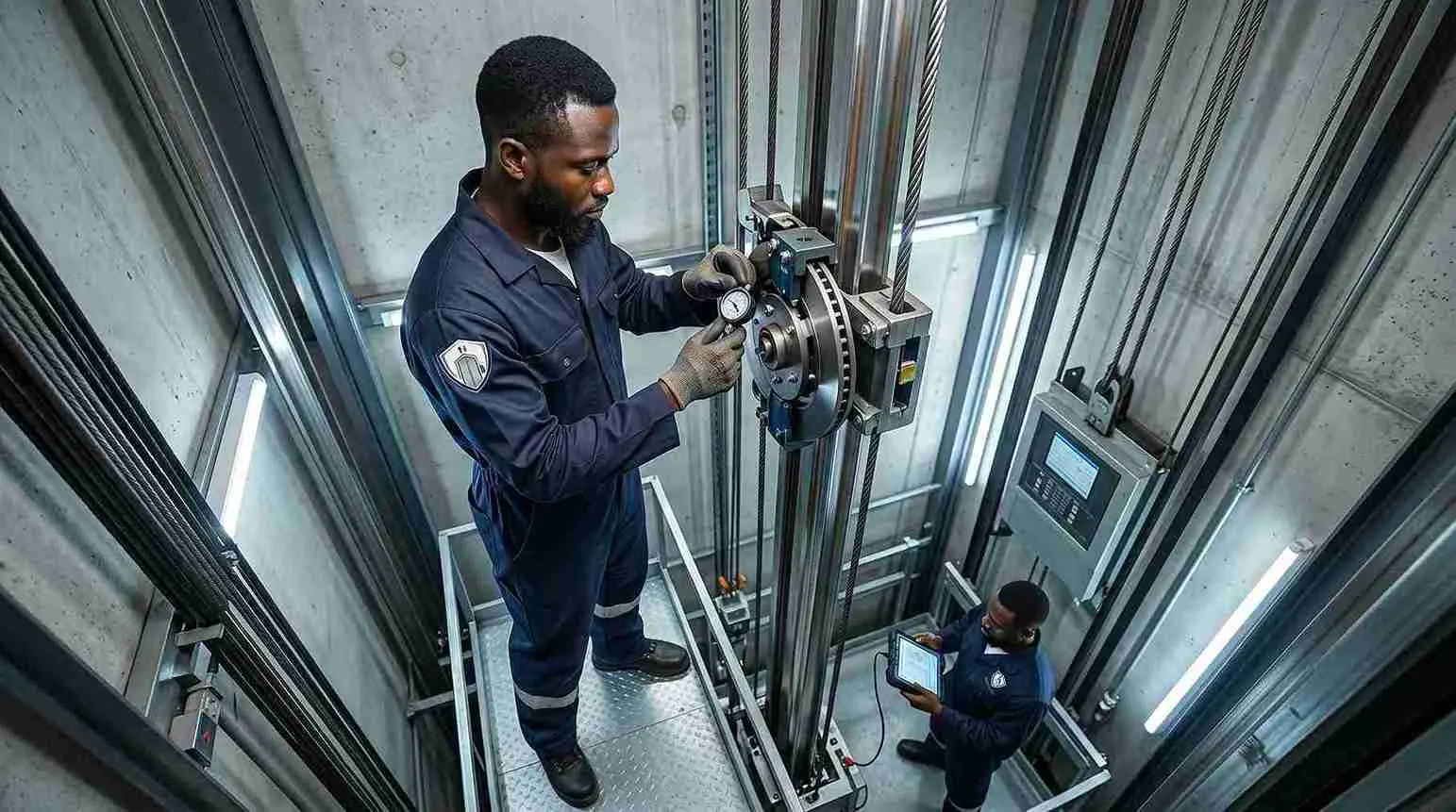

Accra’s skyline is evolving rapidly, with new commercial towers, residential complexes, hotels, and healthcare facilities reshaping the city’s urban landscape. As vertical transportation becomes essential to modern building functionality, the demand for reliable elevator maintenance in Accra has grown significantly. Facility managers and building owners face the critical task of ensuring that lifts operate safely, efficiently, and consistently. Poorly maintained elevators can lead to frequent breakdowns, safety hazards, and increased operational costs. Therefore, establishing robust service standards is not just a regulatory consideration but a fundamental aspect of property management. This article explores what professional elevator maintenance entails in the Ghanaian context and what facility managers should prioritize when selecting a service partner.
Understanding Accra's Growing Commercial Elevator Needs
The expansion of Accra’s real estate sector has introduced a diverse range of buildings that rely heavily on elevator systems. High-rise office blocks in areas like Airport City and Ridge require high-capacity traction elevators capable of handling peak morning and evening traffic. Hospitality venues in Osu and Cantonments depend on smooth, quiet, and aesthetically pleasing lifts to enhance guest experience. Healthcare facilities need specialized elevators that can accommodate stretchers and medical equipment while maintaining strict hygiene and reliability standards. Residential developments are also increasingly incorporating elevators to improve accessibility and property value. Each of these building types presents unique maintenance challenges due to varying usage patterns, load requirements, and environmental conditions. For facility managers, the goal is to minimize downtime and ensure passenger safety through proactive care. Reliable lift operation directly impacts tenant satisfaction, building reputation, and asset longevity. Consequently, understanding the specific needs of each facility type is the first step toward effective maintenance planning. Ignoring these nuances can result in inadequate service coverage and unexpected operational failures.
Service Standards Facility Managers Should Expect
Professional elevator maintenance goes beyond simple repairs; it involves a comprehensive strategy focused on prevention, safety, and performance. Facility managers should expect regular preventive maintenance visits where qualified technicians inspect mechanical and electrical components. These inspections include checking door operators, guide rails, brakes, safety gears, and control systems for signs of wear or malfunction. A reputable service provider will conduct thorough safety checks to ensure compliance with international engineering standards and local safety expectations. Fault diagnosis should be systematic, using advanced tools to identify root causes rather than just addressing symptoms. Detailed maintenance records are essential for tracking equipment history, predicting future issues, and validating warranty claims. Emergency support is another critical component, as prompt response to entrapments or major failures minimizes disruption and ensures passenger safety. Spare parts availability is equally important, as delays in sourcing components can extend downtime significantly. Transparent service agreements should clearly outline the scope of work, response times, exclusions, and costs. This clarity helps build trust and ensures that both parties have aligned expectations. Ultimately, a professional maintenance arrangement delivers peace of mind through consistent, high-quality service.
Cross-Border Elevator Support and Parts Logistics in Ghana
Providing elevator maintenance support across borders involves complex logistical and operational considerations that facility managers must understand. Technician availability depends on visa regulations, travel logistics, and the ability to deploy skilled engineers quickly when needed. Parts sourcing is a major challenge, as many elevator components are manufactured internationally and may not be readily available locally. Shipping spare parts to Ghana requires navigating customs processes, import duties, and potential delays at ports. Equipment compatibility is another factor, as different elevator models require specific parts that may not be interchangeable. Coordination between the service provider, local agents, and building management is essential to streamline these processes. While some companies may have established networks in neighboring countries, extending services to Ghana requires careful planning and verification. Facility managers should inquire about a provider’s experience with cross-border operations and their strategies for mitigating logistical risks. It is important to distinguish between general industry capabilities and verified service coverage in specific locations. Without clear confirmation, assumptions about service availability can lead to operational gaps. Therefore, open communication regarding logistics and support structures is vital for successful maintenance partnerships.
Frequently Asked Questions
Does PE Lifts Service Buildings Outside Nigeria?
PE Lifts Services primarily operates within its verified service regions, and coverage in other West African countries such as Ghana should be confirmed directly. While the company has expertise in elevator maintenance, repair, and modernization, geographic service boundaries depend on logistical feasibility and current operational capacity. Facility managers in Accra should contact PE Lifts to discuss whether their specific location falls within the current service area or if alternative arrangements can be made. It is important not to assume that services available in Nigeria automatically extend to Ghana without explicit confirmation. Clarifying service coverage early prevents misunderstandings and ensures that maintenance needs are met reliably.
How Are Elevator Spare Parts Sourced for Ghana-Based Contracts?
Sourcing spare parts for Ghana-based contracts involves identifying the correct components, arranging international shipping, and managing customs clearance. The process depends on the elevator brand, model age, and part availability in regional warehouses. Some common parts may be sourced locally or from nearby hubs, while specialized components may require direct shipment from manufacturers. Delays can occur due to customs documentation, import regulations, or supply chain disruptions. PE Lifts Services advises clients to discuss parts logistics during the contract negotiation phase to establish realistic timelines. Maintaining a stock of critical spare parts on-site can also help reduce downtime for urgent repairs. Transparency about sourcing channels and lead times is essential for effective maintenance planning.
What Should Accra Facility Managers Check Before Signing an AMC?
Before signing an Annual Maintenance Contract (AMC), facility managers should verify the scope of coverage, including preventive visits, emergency response, and parts inclusion. It is important to clarify response times for different types of faults and whether they are guaranteed or estimated. Check if the contract covers only labor or includes spare parts, and understand the cost structure for non-covered items. Verify the qualifications and experience of the technicians who will perform the maintenance. Ensure that the agreement includes provisions for regular reporting and performance reviews. Clear terms regarding contract termination, renewal, and liability protect both parties. Reading the fine print and asking detailed questions helps avoid hidden costs and service gaps.
Choosing an Elevator Maintenance Partner in Accra
Selecting the right elevator maintenance partner in Accra requires careful evaluation of technical competence, service reliability, and contractual transparency. Facility managers should prioritize providers who demonstrate a clear understanding of local operating conditions and international safety standards. Verified service coverage is crucial, as it ensures that technicians and parts can be deployed effectively when needed. Technical competence is evidenced by qualified engineers, proper diagnostic tools, and a track record of successful maintenance projects. Reliable communication channels enable quick resolution of issues and regular updates on maintenance activities. Clear contract terms prevent disputes and ensure that both parties understand their responsibilities. While PE Lifts Services offers comprehensive maintenance, repair, and modernization solutions, its specific coverage in Ghana should be confirmed through direct consultation. For more information on our core operations, you can explore our elevator maintenance services in Lagos or learn about our spare parts supply chain. Making an informed decision based on verified capabilities rather than assumptions leads to safer and more efficient building operations.
Operating a facility in Accra? Get in touch with PE Lifts about service coverage.