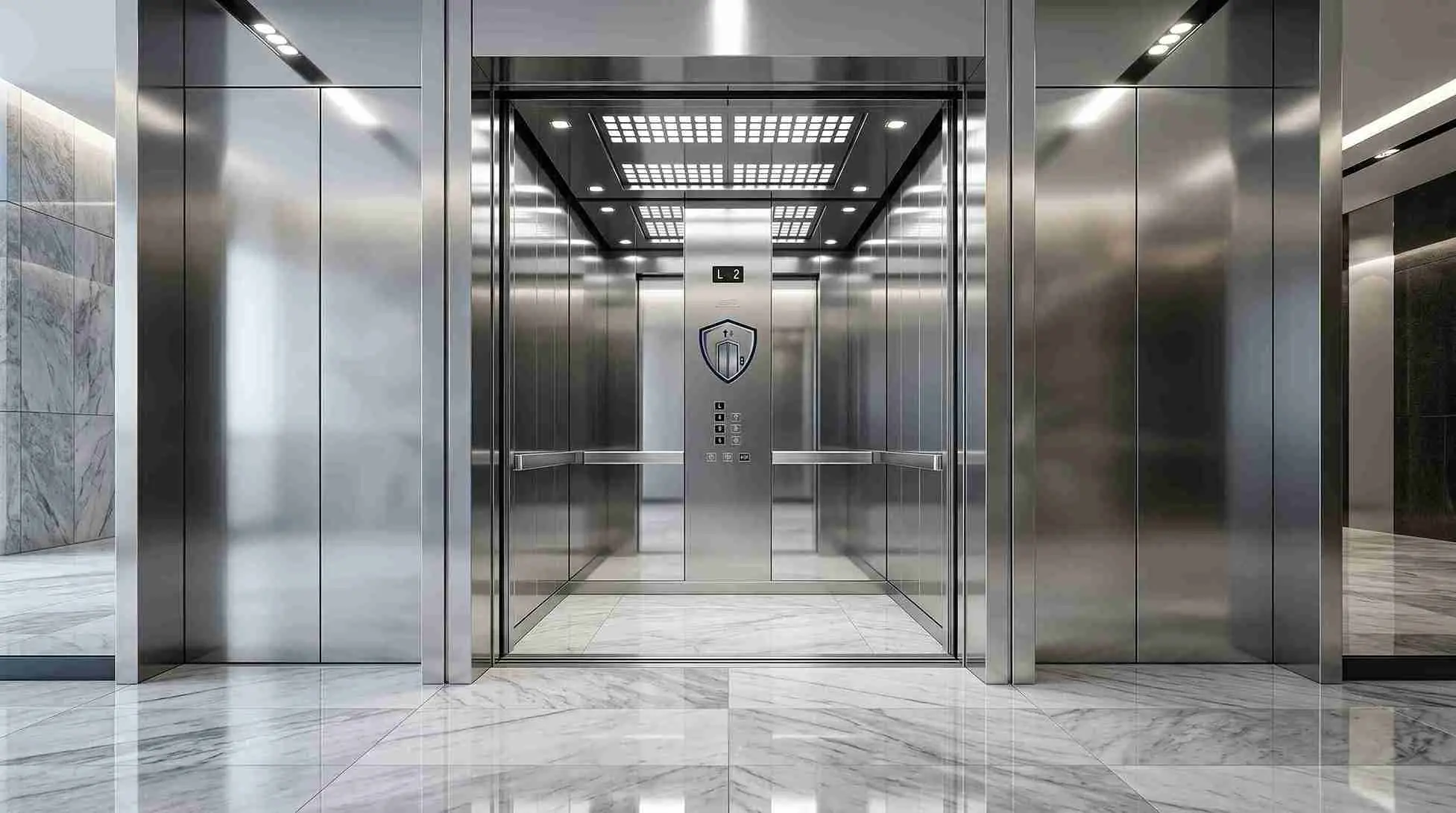

Behind every smooth vertical journey in a modern high-rise is a sophisticated control strategy. For building owners, developers, architects, engineers, project managers, and facility managers across Nigeria and West Africa, optimizing vertical transportation is no longer just about installing more elevators. It is about installing smarter ones. A destination control system represents a significant leap forward in how buildings manage passenger flow, reduce wait times, and improve overall lobby efficiency.
What is a Destination Control System?
A destination control system (DCS) is an advanced elevator traffic management technology that assigns passengers to specific elevator cars before they even step inside. Unlike traditional systems where passengers press a generic up or down button in the lobby and then select their floor inside the car, a DCS requires passengers to input their destination floor at a centralized terminal in the lobby. The system then calculates the most efficient car to serve that request and directs the passenger to it.
How Do Destination Control Systems Work?
When a passenger enters their desired floor at a lobby kiosk, numeric keypad, or via a mobile app, the system’s algorithm instantly evaluates multiple variables. These include the current position of all elevator cars, their direction of travel, existing internal calls, and real-time traffic patterns. The system then assigns the passenger to a specific elevator (e.g., "Elevator B") and displays this information on the terminal. The passenger walks to the designated car, which is already programmed to stop at their floor.
How Do They Differ From Traditional Elevator Call Systems?
Traditional elevator call systems rely on a "first-come, first-served" collective control logic. Passengers press a generic up or down button, board the first available car, and then press their floor button inside. This often leads to multiple cars stopping at the same floor for different passengers, causing unnecessary delays. A destination control system eliminates this redundancy by grouping passengers with similar destinations into the same car, ensuring each car makes fewer stops and travels more directly.
How Do Passengers Select Their Destination?
Passengers interact with the system before boarding. This is typically done via a touchscreen lobby console, a numeric keypad, RFID access cards, or increasingly, through smartphone applications integrated with the building’s smart infrastructure. Once the destination is registered, the screen displays the assigned elevator car and an estimated time of arrival.
How Does the System Group Passengers Travelling to Similar Floors?
The core intelligence of a destination control system lies in its grouping algorithm. If three passengers in the lobby select floors 12, 14, and 15, the system will assign them to the same elevator car. That car will then travel directly to the upper zones, stopping only once or twice, rather than having three separate cars make three separate stops. This zoning effect drastically reduces the total number of stops per trip.
How Does Destination Control Influence Waiting and Travel Times?
By minimizing unnecessary stops and optimizing car allocation, destination control systems significantly reduce both waiting time (time spent in the lobby) and travel time (time spent in the car). Industry traffic analysis models consistently show that in medium to high-rise buildings, this technology can streamline passenger throughput, preventing the "bunching" effect where multiple elevators arrive at the lobby simultaneously.
How Can It Help Manage Peak Traffic Periods?
Peak periods, such as morning arrivals in commercial towers in Lagos or Abuja, or evening departures, place immense strain on vertical transportation. A destination control system can be programmed with specific "peak mode" algorithms. For example, during morning up-peak, the system can prioritize empty cars returning to the lobby and group incoming passengers by floor zones, ensuring the lobby clears as quickly and safely as possible.
How Do Elevator Quantity, Capacity, Speed, and Building Size Affect Performance?
The effectiveness of a destination control system is deeply tied to the physical characteristics of the installation. Building height dictates the need for zoning (e.g., low, mid, and high-rise zones). Elevator speed determines how quickly a car can complete a cycle. Car capacity affects how many passengers can be grouped together before the car is full. Finally, the total quantity of elevators in a bank determines the system’s flexibility in assigning cars. A comprehensive traffic analysis is required to balance these variables.
Which Types of Buildings Benefit Most From Destination Control?
While beneficial in many scenarios, destination control systems deliver the highest return on investment in:
- Corporate office towers with predictable morning and evening peak traffic.
- Mixed-use developments requiring strict separation of public, residential, and staff traffic.
- Hotels and hospitals where security, privacy, and directed routing are paramount.
- High-rise residential buildings seeking to reduce lobby congestion and improve the premium user experience.
How Does Destination Control Affect Lobby Design and Passenger Movement?
Implementing a DCS changes the architectural dynamics of a lobby. Instead of a bank of elevator doors with call buttons beside each, the lobby features centralized input terminals. This allows for a cleaner, more open architectural aesthetic. It also changes passenger behavior, encouraging people to input their destination upon entering the lobby and proceed directly to their assigned car, reducing aimless wandering and crowding around elevator doors.
What Are the Accessibility and User Experience Considerations?
A well-designed destination control system must be inclusive. Terminals should be mounted at accessible heights for wheelchair users, feature high-contrast visual displays, and include audible feedback or braille for visually impaired passengers. Modern systems often integrate with mobile apps, allowing passengers to call an elevator from their smartphone, which can further enhance accessibility for users with mobility challenges.
What Are the Potential Limitations and Implementation Considerations?
Destination control systems require robust network infrastructure and precise initial programming. If the system is not calibrated correctly to the building’s actual traffic patterns, it can cause confusion or inefficiency. Additionally, during power fluctuations or network outages, the system must have a reliable fallback mode (such as reverting to traditional collective control) to ensure passengers are not stranded.
How Does Destination Control Interact With Building Security and Access Control?
One of the most powerful features of a destination control system is its seamless integration with building security. By using RFID cards, biometric scanners, or mobile credentials at the lobby terminal, the system can restrict access to specific floors. A visitor may only be able to select the lobby or a designated reception floor, while an employee’s card will automatically unlock and assign them to their authorized office floor.
What Should Building Owners Consider Before Adopting This Technology?
Building owners should evaluate the total cost of ownership, including initial installation, software licensing, and ongoing maintenance. It is also critical to assess whether the building’s current elevator hardware (motors, doors, controllers) is compatible with a modern destination dispatch upgrade, or if a full modernization is required.
Why Should Traffic Analysis Be Completed Before Selecting an Elevator Control Strategy?
No two buildings have the exact same traffic profile. A professional elevator traffic analysis uses statistical modeling to simulate passenger arrival rates, handling capacity, and interval times. This data is essential to determine if a destination control system is the right solution, or if the building would be better served by optimizing its existing traditional control system or adding physical capacity.
How Can PE Lifts Services Support Your Elevator Assessment and Modernization?
As the dedicated maintenance, modernization, and technical support division of PE Lifts Group, PE Lifts Services provides the expert guidance required to navigate these complex decisions. We service a wide range of major international elevator brands across Nigeria, Ghana, and Togo, ensuring your vertical transportation operates safely and efficiently.
Our support includes:
- Technical Audits: Detailed inspections and traffic flow assessments to determine if your current system meets your building’s needs.
- Modernization Planning: Expert consultation on upgrading legacy control systems to modern, smart technologies, including destination dispatch integration.
- Maintenance & AMC: Comprehensive Annual Maintenance Contracts to ensure all sensors, controllers, and software interfaces remain in peak working condition.
- 24/7 Emergency Support: Rapid response teams ready to address any control system anomalies, minimizing downtime and passenger inconvenience.
Traditional Control vs. Destination Control
| Feature | Traditional Elevator Control | Destination Control System |
|---|---|---|
| Passenger Flow | Unpredictable; multiple cars may stop at the same floor. | Optimized; passengers with similar destinations are grouped. |
| Call Allocation | First-come, first-served based on proximity. | Algorithm-driven based on destination, load, and traffic patterns. |
| Lobby Experience | Crowding around doors; uncertainty about which car to board. | Orderly; passengers are directed to a specific, pre-assigned car. |
| Traffic Management | Reactive; responds to calls as they are registered. | Proactive; anticipates traffic patterns and pre-positions cars. |
| Planning Considerations | Simpler initial setup; lower upfront technology cost. | Requires detailed traffic analysis, network infrastructure, and user training. |
Factors That Influence Elevator Traffic Flow
Disclaimer: The values in the chart data below are illustrative examples for explanation only and do not represent specific PE Lifts Services performance data. Building owners should commission a formal, site-specific traffic analysis for accurate project data.
To create an editable bar chart in Microsoft Word using this data:
- Copy the table below.
- In Word, go to Insert > Chart > Clustered Column.
- Replace the default Excel data with the table below.
| Factor | Illustrative Impact Score (0-100) |
|---|---|
| Building Height | 85 |
| Elevator Speed | 75 |
| Car Capacity | 70 |
| Traffic Pattern | 90 |
| Control System Type | 80 |
Frequently Asked Questions (SEO & AEO Optimized)
1. What is a destination control system in an elevator?
A destination control system is an advanced elevator management technology where passengers select their desired floor at a lobby terminal before boarding. The system then assigns them to a specific elevator car optimized for their route, reducing stops and improving traffic flow.
2. How does a destination control system reduce wait times?
By grouping passengers travelling to similar floors into the same elevator car, the system minimizes the total number of stops each car makes. This allows elevators to complete trips faster and return to the lobby more quickly.
3. Can destination control systems be integrated with building security?
Yes. Modern destination control systems can integrate with RFID cards, biometric scanners, or mobile apps to restrict floor access, ensuring passengers can only select and be assigned to authorized floors.
4. Are destination control systems accessible for people with disabilities?
Yes, when designed correctly. Accessible systems feature terminals mounted at appropriate heights, tactile keypads, audible voice feedback, high-contrast displays, and mobile app integration for seamless, independent use.
5. What types of buildings benefit most from destination dispatch?
Medium to high-rise commercial office towers, mixed-use developments, luxury hotels, and hospitals benefit the most, as these buildings experience high, predictable traffic volumes that require efficient zoning and routing.
6. Does installing a destination control system require replacing the entire elevator?
Not always. In many cases, the core mechanical components (motor, rails, cab) can remain. However, the control system, wiring, and lobby fixtures must be upgraded. A technical audit by PE Lifts Services can determine the exact scope of modernization required.
7. Why is a traffic analysis necessary before installing a destination control system?
A traffic analysis models the building’s specific passenger arrival rates, peak times, and handling capacity. This ensures the destination control algorithm is correctly calibrated to the building’s actual usage, preventing system inefficiencies or passenger frustration.
Optimize Your Building’s Vertical Transportation
Upgrading to a smart elevator control strategy is a critical decision for any modern building project in West Africa. Whether you are developing a new commercial tower in Lagos or modernizing an existing facility in Accra, expert guidance is essential.
PE Lifts Services is your trusted partner for elevator technical audits, modernization planning, and comprehensive maintenance. Our certified engineers ensure your vertical transportation systems are safe, compliant, and optimized for peak performance.
Contact PE Lifts Services today to discuss your elevator assessment and modernization requirements.
Website: https://peliftsservices.com/
Email: info@peliftsservices.com
Phone: +234 702 521 1116