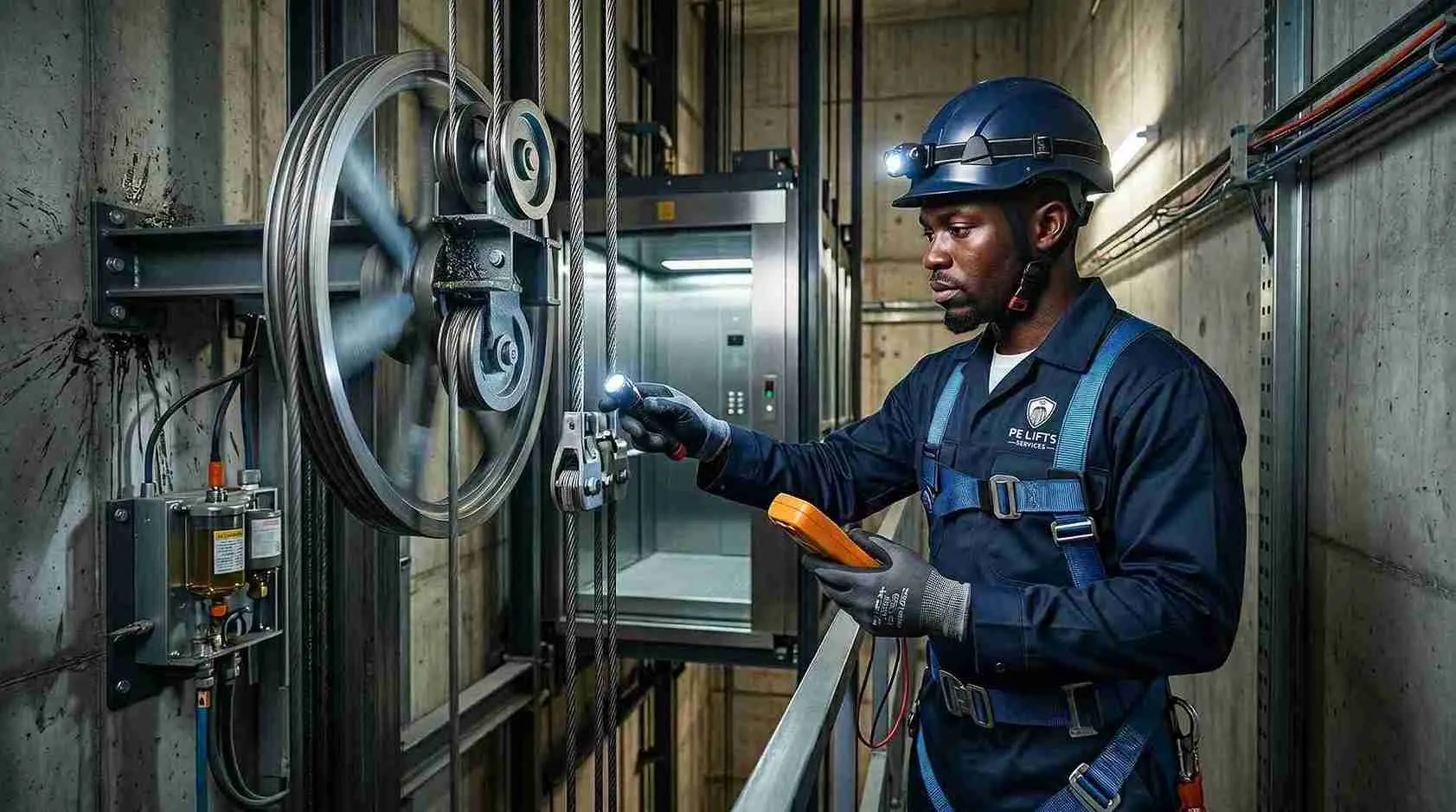

When planning a commercial, residential, or mixed-use development in Nigeria or West Africa, vertical mobility is a critical investment. However, evaluating proposals can be complex. Learning how to compare elevator quotations goes far beyond looking at the bottom-line price. Developers, architects, project managers, procurement teams, and facility managers must assess technical specifications, lifecycle costs, and supplier reliability to make an informed, future-proof decision.
Why Elevator Quotations Differ Significantly Between Suppliers
Elevator quotations vary because suppliers utilize different equipment tiers, operational models, and service inclusions. Some quotes may include comprehensive installation, testing, and commissioning, while others offer bare-bones equipment supply, intentionally shifting hidden costs and logistical burdens to the buyer.
Why the Lowest Quotation Is Not Always the Best Option
A surprisingly low bid often indicates compromised component quality, omitted safety features, or excluded installation services. Over an elevator’s 15- to 20-year lifespan, poor-quality equipment leads to higher maintenance costs, frequent breakdowns, extended downtime, and reduced overall property value.
How to Compare Elevator Specifications and Capacity
Ensure all quotations specify the exact load capacity (in kg or number of passengers), car interior dimensions, and door opening sizes. A quote for a 630kg elevator is not directly comparable to one for an 800kg elevator, even if the prices appear similar. Always align the capacity with your building’s traffic analysis.
How to Compare Elevator Type, Speed, Stops, and Travel Requirements
Verify that each quote matches your project’s exact travel height, number of stops, and required speed (e.g., 1.0 m/s vs. 1.6 m/s). Mismatched travel requirements or incorrect stop configurations will result in costly change orders and project delays later in the construction phase.
How to Evaluate Equipment, Components, and Included Features
Request a detailed component list from every supplier. Compare the brand, origin, and technological generation of the traction machine, control panel, door operator, and safety gears. Premium, globally recognized components ensure longevity and easier sourcing of spare parts within West Africa.
How Installation, Testing, Commissioning, and Handover Affect Value
Installation quality dictates long-term elevator performance and safety. A comprehensive quotation should explicitly include professional installation, rigorous safety testing, regulatory commissioning, and formal handover training for your facility management team.
How to Check What Is Included and Excluded in Each Quotation
Scrutinize the "Exclusions" section of every proposal. Common exclusions that inflate final costs include shaft scaffolding, temporary power supply, freight charges, customs duties, and local taxes. Ensure you are comparing apples to apples.
How Warranties, Maintenance, Technical Support, and After-Sales Service Should Be Compared
A robust warranty (typically 12 to 24 months) is essential. Furthermore, evaluate the supplier’s after-sales service infrastructure. Do they offer 24/7 emergency support? Do they have certified local technicians in Nigeria, Ghana, or Togo? Reliable local support minimizes downtime and protects your investment.
How Civil, Electrical, Architectural, and Other Project Requirements Can Affect Total Cost
Elevator suppliers often exclude civil works. However, the quotation should clearly state the required pit depth, overhead clearance, and electrical power specifications. If your building design does not match these requirements, retrofitting costs will fall entirely on the developer.
How to Identify Unclear Assumptions, Hidden Costs, and Optional Items
Watch out for vague phrases like "subject to site conditions" or "optional features at additional cost." Request that all assumptions be explicitly documented in writing and that optional items (like premium cabin finishes or IoT monitoring) be priced separately for complete transparency.
How Delivery Timelines and Supplier Support Can Affect Project Risk
Delays in elevator delivery can stall your entire project’s certificate of occupancy. Compare the proposed manufacturing, shipping, and installation timelines. Suppliers with established regional logistics networks and local warehousing pose significantly less risk to your project schedule.
What Questions Should Be Asked Before Accepting an Elevator Quotation
Before signing, ask the following:
- Are local spare parts readily available in West Africa?
- Is the installation team certified and insured?
- Does the quote include a comprehensive Annual Maintenance Contract (AMC) post-warranty?
- Can you provide references from similar, recently completed projects in the region?
Common Mistakes When Comparing Elevator Suppliers
The most common mistakes include focusing solely on the initial purchase price, ignoring lifecycle maintenance costs, failing to verify the supplier’s physical local presence, and not reading the exclusion clauses carefully.
How PE Lifts Services Can Support Technical Assessment, Maintenance, Modernization, and Professional Elevator Advice
As the dedicated maintenance, modernization, and technical support division of PE Lifts Group, PE Lifts Services brings over 15 years of regional expertise to your project. We operate across Nigeria, Ghana, and Togo, providing consistent, high-quality service delivery across West Africa. Our technical audit services help identify operational risks, equipment condition issues, and modernization requirements before you commit to a purchase. Whether you need a professional technical assessment, early-stage planning consultation, or a comprehensive Annual Maintenance Contract (AMC) with 24/7 support, our team ensures your vertical transportation investment is safe, efficient, and reliable.
Practical Quotation Comparison Table
| Comparison Criteria | Supplier A (Low-Cost) | Supplier B (Mid-Range) | Supplier C (Premium / PE Lifts) |
|---|---|---|---|
| Equipment Brand | Generic / Unknown | Regional Brand | Globally Recognized Premium |
| Installation & Commissioning | Excluded (Extra Cost) | Partially Included | Fully Included & Certified |
| Warranty Period | 12 Months (Limited) | 18 Months | 24 Months (Comprehensive) |
| After-Sales Support | No Local Presence | Limited Local Support | 24/7 Local Support (Nigeria/West Africa) |
| Exclusions | High (Civil, Power, Freight) | Moderate | Clearly Defined & Minimal |
| Delivery Timeline | Unspecified / High Risk | 12-16 Weeks | Guaranteed with Milestones |
| Lifecycle Maintenance Cost | High (Frequent Repairs) | Moderate | Low (Preventive AMC Available) |
| Total Project Value | Appears Low, High Hidden Costs | Balanced | Highest Transparency & ROI |
Frequently Asked Questions (FAQs)
1. What is the most important factor when comparing elevator quotations?
The most important factor is the total lifecycle cost, which includes the initial price, installation, energy consumption, and long-term maintenance, rather than just the upfront purchase price.
2. Why are some elevator quotations much cheaper than others?
Cheaper quotations often exclude critical services like installation, commissioning, or freight, or they use lower-tier components that increase long-term maintenance and repair costs.
3. What should be explicitly included in a comprehensive elevator quotation?
A comprehensive quote should include equipment specifications, delivery, professional installation, safety testing, regulatory commissioning, handover training, and a clear warranty period.
4. How do I check for hidden costs in an elevator quote?
Carefully review the "Exclusions" and "Assumptions" sections. Look for omitted costs like shaft scaffolding, temporary power, customs duties, or civil modifications.
5. Does PE Lifts Services provide elevator maintenance in West Africa?
Yes, PE Lifts Services is the maintenance, modernization, and technical support division of PE Lifts Group, operating across Nigeria, Ghana, and Togo with comprehensive AMC plans.
6. What is the typical warranty period for a new commercial elevator?
Standard warranties range from 12 to 24 months. It is crucial to verify what specific components are covered and whether labor and travel costs are included in the warranty terms.
7. How can architects ensure elevator quotes match their building design?
Architects should provide suppliers with exact shaft dimensions, pit depth, overhead clearance, and traffic analysis requirements, then verify that the quotation explicitly matches these parameters without assumptions.
Next Steps for Your Project
Do not leave your building’s vertical mobility to chance. For a professional technical assessment, transparent quotation review, or to discuss tailored Annual Maintenance Contracts, contact PE Lifts Services today. We engineer peace of mind for developers and building owners across West Africa.