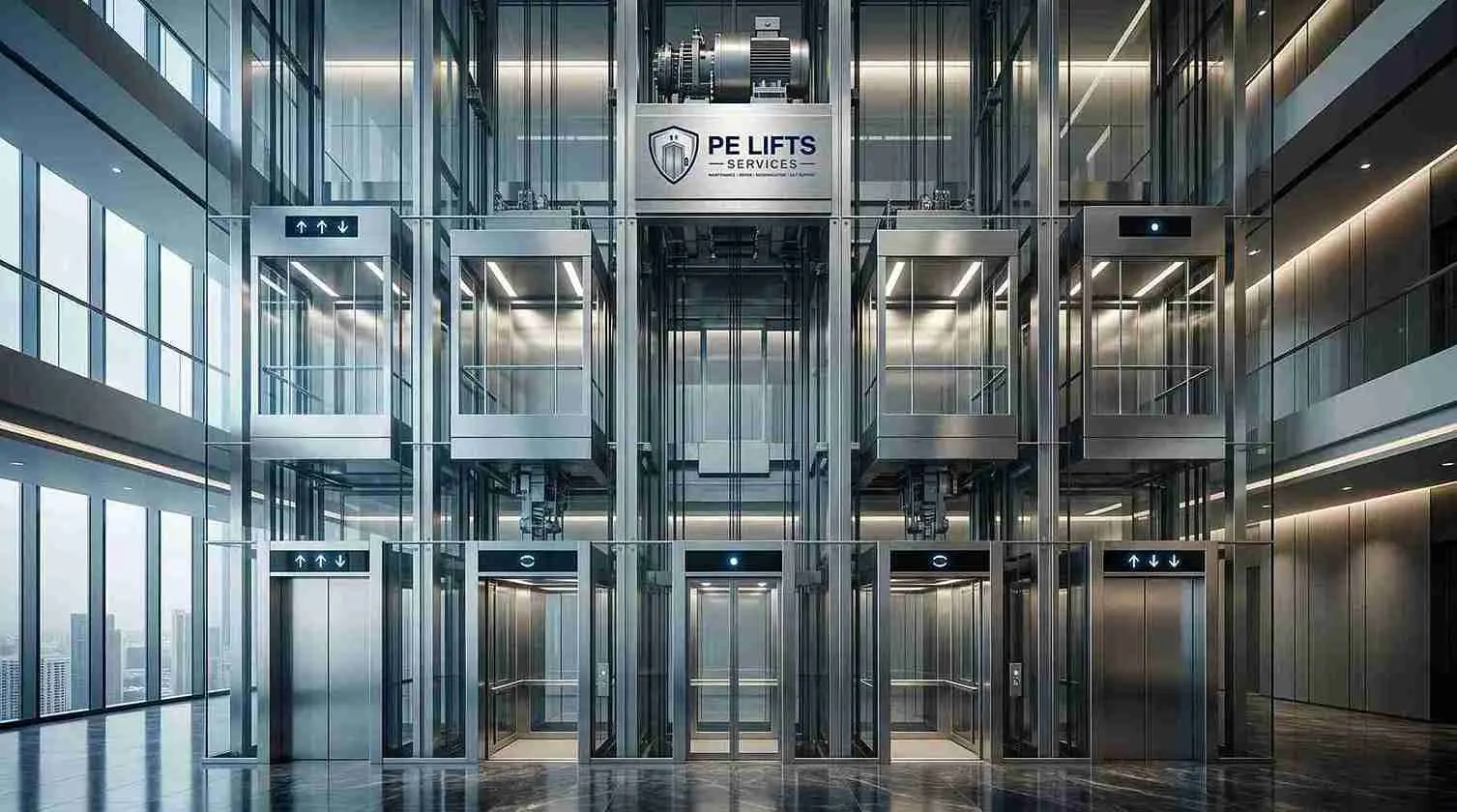

In the competitive hospitality sector, seamless vertical transportation is not a luxury; it is a fundamental operational requirement. For hotel owners, developers, and facility managers, securing reliable elevator services Nigeria is critical to maintaining guest satisfaction, operational efficiency, and property value. Whether managing a luxury resort in Lagos, a business hotel in Abuja, or a multi-storey conference property, the performance of your vertical transportation systems directly impacts your brand’s reputation. This comprehensive guide explores the essential maintenance, repair, and modernization services required by hospitality buildings, providing a clear framework for evaluating and selecting the right technical partners.
Why Hotels in Nigeria Need Professional Elevator Services
Elevators are the circulatory system of any multi-storey hospitality building. They facilitate the smooth movement of guests, luggage, housekeeping staff, and food and beverage supplies. In luxury hotels and resorts, guests expect silent, swift, and reliable transportation from the lobby to their rooms. In business hotels and conference centers, peak traffic during check-in, check-out, and event transitions demands robust system performance.
When elevator systems fail, the consequences extend far beyond mere inconvenience. Prolonged elevator downtime disrupts housekeeping schedules, delays luggage movement, and creates bottlenecks in restaurant and event operations. More critically, it damages the property’s reputation. A single stranded guest or a consistently out-of-order lift can lead to negative reviews, reduced repeat bookings, and potential liability issues. Professional hospitality elevator maintenance ensures that these critical assets remain safe, compliant, and operational, safeguarding both the guest experience and the hotel’s bottom line.
What Elevator Services Do Hotels and Hospitality Buildings Need?
To maintain optimal performance, hospitality properties require a structured suite of commercial elevator services Nigeria. These services can be categorized into several key areas:
- Preventive elevator maintenance: Scheduled, routine inspections and servicing designed to identify and resolve minor issues before they escalate into major failures. This includes lubrication, safety device testing, and component adjustments.
- Elevator repairs and fault diagnosis: Corrective actions taken when an elevator experiences a malfunction. Prompt hotel elevator repair Nigeria is essential to restore service and minimize guest disruption.
- Emergency technical support arrangements: Rapid response protocols for critical failures, such as passenger entrapment or sudden system shutdowns, ensuring immediate technical intervention.
- Elevator inspections and performance assessments: Comprehensive audits to verify compliance with safety standards, evaluate energy efficiency, and assess the overall health of the elevator system.
- Spare parts replacement: The timely sourcing and installation of genuine, compatible components to replace worn or failed parts, ensuring the longevity of the equipment.
- Elevator modernisation and upgrades: Strategic updates to outdated control systems, drive technologies, or cabin aesthetics to improve performance, safety, and energy efficiency without replacing the entire shaft infrastructure.
- Technical consultation and maintenance planning: Expert guidance to help facility managers develop long-term asset management strategies tailored to the specific usage patterns of the hotel.
It is crucial to distinguish between routine servicing, which is proactive, and corrective repairs or modernization, which are reactive or strategic. A robust maintenance plan integrates all these elements to provide holistic care for the building’s vertical transportation assets. For more details on structured servicing, explore our guide on elevator maintenance solutions for commercial properties.
What Makes Hotel Elevator Maintenance Different from Office Building Maintenance?
The operational environment of a hotel is fundamentally different from that of a standard office building. Hotels operate twenty-four hours a day, seven days a week, with continuous and unpredictable passenger demand.
Hotels experience constant traffic from guests arriving, departing, or moving between amenities. Furthermore, service elevator maintenance Nigeria is just as critical as passenger lift care. Service elevators bear heavy, uneven loads from luggage carts, housekeeping trolleys, and kitchen supplies, leading to accelerated wear on doors, rails, and suspension systems. During holidays, weddings, or major conferences, elevator usage spikes dramatically, requiring systems to be in peak condition beforehand. Maintenance activities must be carefully scheduled to avoid noise, dust, or service interruptions that could disturb resting guests or disrupt high-profile events. Therefore, elevator maintenance for hotels Nigeria requires a highly flexible, guest-centric approach that prioritizes safety and operational continuity above all else.
How to Choose the Right Elevator Service Provider in Nigeria for a Hotel
Selecting the right elevator service provider Nigeria is a critical procurement decision. Hotel facility managers and engineering teams should evaluate potential partners based on the following criteria:
- Technical qualifications and relevant experience: Verify that the company employs certified engineers with proven experience in the hospitality sector.
- Familiarity with the hotel's elevator brands and models: Ensure the provider has specific expertise and access to technical documentation for your equipment’s make and model. Note that general technical competence does not automatically equate to official manufacturer authorization; always verify brand-specific training.
- Preventive maintenance procedures: Request a detailed outline of their routine servicing checklist to ensure it aligns with manufacturer recommendations and recognized safety standards, such as EN 81 or ISO 22559.
- Repair and troubleshooting capabilities: Assess their diagnostic tools and their ability to resolve complex electrical or mechanical faults efficiently.
- Availability of compatible spare parts: A reliable elevator maintenance company Nigeria should have established supply chains for genuine parts to avoid prolonged downtime.
- Emergency response arrangements: Clarify their protocols for after-hours emergencies, including defined response windows and the availability of on-call technicians.
- Maintenance documentation and reporting: Insist on detailed, digital service reports after every visit, documenting performed tasks, identified risks, and recommended actions.
- Contract transparency and service accountability: Review the proposed agreement for clear definitions of scope, exclusions, and performance metrics.
Practical Checklist of Questions for Hotel Managers:
- Are your technicians factory-certified for our specific elevator brand and model?
- Can you provide a sample of your preventive maintenance reporting format?
- What is your defined response time for emergency entrapment situations?
- Do you maintain a local inventory of compatible spare parts for our system?
- Can you provide references from similar commercial or hospitality properties?
- Are there any exclusions or hidden costs in the proposed maintenance contract?
Procurement teams should verify these factors by requesting client references and reviewing sample maintenance reports. Utilizing a standardized elevator maintenance checklist can help streamline this evaluation process and ensure no critical technical requirement is overlooked.
Which Elevator Maintenance Contract Is Suitable for a Hotel?
Hotels typically choose between three primary types of elevator maintenance contract Nigeria structures. Understanding the differences is vital for budgeting and risk management.
| Contract Type | Scope of Coverage | Labour & Parts | Best Suited For |
|---|---|---|---|
| Preventive Maintenance Agreement | Routine inspections, lubrication, safety checks, and minor adjustments. | Labour for scheduled visits included. Parts and major repairs billed separately. | Newer elevators under warranty or hotels with dedicated in-house engineering teams capable of handling minor repairs. |
| Non-Comprehensive Maintenance Contract | Preventive maintenance plus corrective labour for unexpected breakdowns. | Labour for repairs included. Spare parts and major component replacements billed separately. | Mid-life elevators where the owner wants to control parts costs but needs guaranteed labour support for faults. |
| Comprehensive Maintenance Contract | Full preventive maintenance, all corrective labour, and replacement of most spare parts (excluding major components like motors or controllers). | Labour and most parts included. Provides predictable, fixed annual costs. | Older elevators, or hotels seeking maximum budget predictability and minimal administrative burden for repairs. |
Note: Contract terms, exclusions, and coverage limits differ significantly between providers. Hotel operators must carefully review the fine print, particularly regarding "wear and tear" exclusions, before signing. Learn more about structuring these agreements in our detailed guide on elevator maintenance contracts in Nigeria.
How Much Do Hotel Elevator Services Cost in Nigeria?
Providing exact market prices for hotel elevator services Nigeria is impractical due to the highly variable nature of each property. However, several key factors influence the final cost:
- Number and type of elevators: A property with multiple passenger lifts and heavy-duty service elevators will naturally incur higher servicing costs.
- Equipment age and condition: Older systems typically require more frequent interventions and costly part replacements.
- Passenger and service elevator usage: High-traffic environments accelerate wear, necessitating more rigorous maintenance schedules.
- Maintenance frequency and contract coverage: Comprehensive contracts cost more upfront but offer financial predictability compared to pay-as-you-go repair models.
- Replacement parts and repair requirements: The availability and import costs of specific branded components can impact overall expenses.
- Building operating conditions: Factors such as power stability (requiring robust surge protection) and environmental conditions (e.g., coastal humidity in island resorts) affect maintenance needs.
Hotel operators should always request detailed, itemized quotations from multiple providers. Comparing the actual scope of services, response commitments, and parts coverage is far more valuable than simply selecting the provider with the lowest initial price, which may hide costly exclusions and lead to deferred maintenance.
How Can Hotels Reduce Elevator Downtime Without Disrupting Guests?
Minimizing elevator downtime requires proactive management and seamless coordination between the hotel’s engineering team and the external elevator maintenance company Nigeria.
Effective strategies include:
- Strategic Preventive Maintenance Scheduling: Schedule routine servicing during historically low-traffic periods, such as mid-morning on weekdays, avoiding check-in/check-out peaks and major event times.
- Early Fault Reporting: Empower housekeeping and front-desk staff to report minor anomalies (e.g., unusual noises, door hesitations) immediately, allowing for intervention before a complete breakdown occurs.
- Robust Maintenance Records: Maintain a centralized digital log of all service visits, faults, and part replacements to identify recurring issues and predict component lifespans.
- Coordination with Hotel Operations: Plan any necessary corrective repairs or modernization work in close consultation with the hotel manager to ensure alternative logistics (e.g., dedicated luggage routes) are in place.
By treating elevator maintenance as a collaborative operational priority rather than a mere compliance task, hotels can significantly enhance system reliability. For properties requiring specialized repair interventions, our elevator repair services in Nigeria provide targeted solutions to restore optimal functionality.
When Should a Hotel Consider Elevator Modernisation?
Repairing an aging elevator indefinitely is not always the most cost-effective or safe strategy. Hotel owners should consider elevator modernization when observing the following signs:
- Ageing equipment: Systems approaching or exceeding 15–20 years of operation.
- Recurring faults: Frequent breakdowns or safety trips that disrupt guest experience despite regular maintenance.
- Obsolete components: Difficulty sourcing spare parts due to manufacturer discontinuation, leading to extended downtime.
- Declining performance: Noticeable increases in travel time, leveling inaccuracies, or excessive noise and vibration.
- Energy inefficiency: Outdated drive systems consuming significantly more power than modern alternatives.
Before committing to a full modernization, it is imperative to commission a professional technical assessment. A qualified engineer can evaluate whether targeted component upgrades (e.g., a new controller or door operator) will suffice, or if a comprehensive system overhaul is necessary to meet current safety standards and operational demands.
Elevator Services for Hotels and Hospitality Buildings by PE Lifts Services
PE Lifts Services operates as the dedicated maintenance, modernization, and technical support division of the PE Lifts Group. With operational service centers in key Nigerian hubs, including Lagos and Abuja, the company provides structured, professional support for commercial and institutional facilities.
PE Lifts Services offers a comprehensive suite of solutions tailored to the rigorous demands of the hospitality sector, including:
- Annual Maintenance Contracts (AMC): Customizable preventive maintenance plans designed to ensure safety, reliability, and compliance with recognized industry standards.
- Repairs and Breakdown Support: Rapid diagnostic and corrective services aimed at minimizing operational disruption.
- Modernization Projects: Strategic upgrades to enhance the performance, safety, and aesthetic appeal of existing elevator systems.
- Multi-Brand Technical Support: Expertise in servicing a wide range of major elevator brands, ensuring that hotels are not locked into a single manufacturer for after-sales care.
While PE Lifts Services provides robust technical frameworks and defined response tiers within its service agreements, hotel operators are encouraged to discuss their specific building requirements directly with the technical team. By prioritizing transparent assessments and tailored maintenance planning, PE Lifts Services helps hospitality businesses protect their vertical transportation investments.
To explore how a structured maintenance plan can benefit your property, contact PE Lifts Services today to request a professional site assessment and discuss suitable service arrangements.
Frequently Asked Questions About Elevator Services in Nigeria for Hotels
1. Which elevator services do hotels in Nigeria need?
Hotels require a combination of preventive maintenance, rapid fault diagnosis and repair, emergency technical support, spare parts replacement, and periodic performance assessments to ensure continuous, safe operation of both passenger and service elevators.
2. How often should hotel elevators be maintained?
Industry best practices and manufacturer guidelines typically recommend monthly preventive maintenance for hotel elevators due to their high usage rates. Service elevators carrying heavy loads may require even more frequent inspections.
3. What should hotels look for when choosing an elevator service provider?
Hotels should prioritize providers with certified technicians, proven experience with their specific elevator brand, transparent maintenance reporting, reliable emergency response protocols, and clear, comprehensive contract terms.
4. How much does hotel elevator maintenance cost in Nigeria?
Costs vary based on the number of elevators, their age, usage intensity, and the level of contract coverage. Hotels should request itemized quotations to compare the actual scope of services rather than focusing solely on the lowest price.
5. Should hotels have separate maintenance arrangements for passenger and service elevators?
While they can be covered under a single master contract, the maintenance focus must differ. Service elevators require more frequent checks on load-bearing components and door mechanisms due to the heavy, abrasive nature of luggage and housekeeping traffic.
6. How can hotels reduce elevator downtime during busy periods?
Hotels can reduce downtime by scheduling preventive maintenance during off-peak hours, training staff to report minor faults early, maintaining detailed service records, and ensuring their service provider has a reliable local inventory of compatible spare parts.