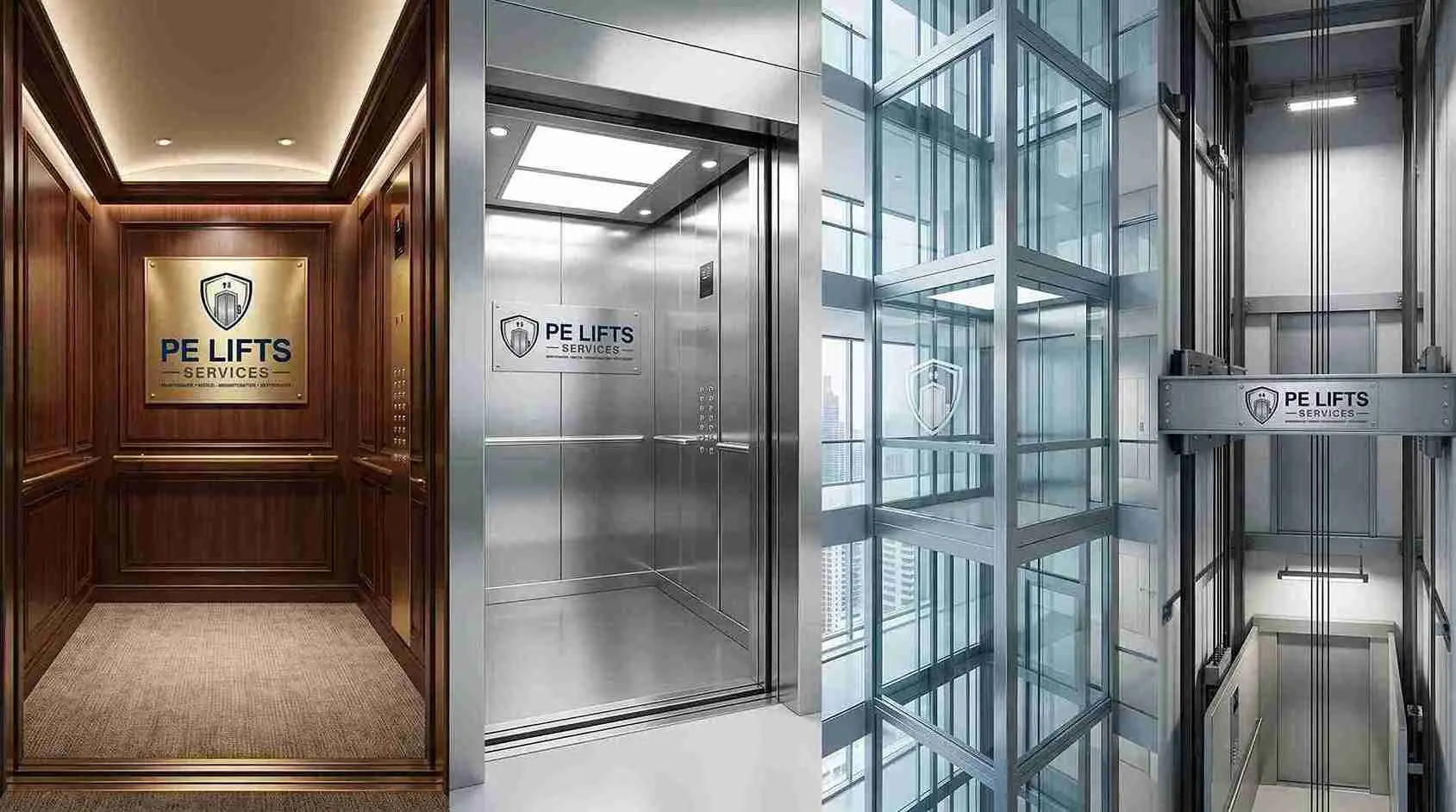

In the high-stakes environment of healthcare facilities, every second counts. Elevators are the unsung heroes of hospitals, facilitating the rapid movement of patients, medical staff, and critical equipment. However, unlike commercial buildings, hospitals require specialized elevator maintenance to ensure uninterrupted operation. As a leading elevator maintenance company Nigeria, PE Lifts Services understands the unique demands of healthcare facility elevator maintenance. This comprehensive guide explores why hospital elevator maintenance is critical, the safety requirements involved, and how specialized services can save lives.
Why Are Elevators Critical in Healthcare Facilities?
Elevators in hospitals are not just a convenience; they are a critical component of patient care and operational efficiency. From transporting patients in beds and stretchers to moving heavy diagnostic equipment like MRI machines, hospital lift maintenance ensures these vital pathways remain open. In a multi-story medical building, the failure of an elevator can delay emergency surgeries, disrupt the supply chain of medical goods, and compromise patient outcomes. Specialized elevator maintenance for hospitals focuses on maximizing uptime and ensuring that these vertical transportation systems can handle the rigorous demands of a 24/7 healthcare environment.
How Does Proper Elevator Maintenance Improve Patient Safety?
Patient safety is the top priority in any healthcare setting. Proper hospital elevator maintenance directly contributes to a safer environment for everyone in the facility.
Safe Patient Transport
Hospital elevators must accommodate stretchers, wheelchairs, and hospital beds. Maintenance ensures that door sensors, leveling accuracy, and ride smoothness are optimized to prevent jolts that could harm critically ill patients or disrupt delicate medical procedures during transit.
Reduced Breakdown Risks
An unexpected elevator breakdown can lead to patient entrapment, a scenario that is particularly dangerous for individuals with respiratory issues or those requiring continuous monitoring. Preventative healthcare elevator maintenance identifies and replaces worn components before they fail.
Accessibility for Patients and Staff
Reliable elevators ensure that patients with mobility challenges, the elderly, and medical staff can navigate the facility efficiently, reducing physical strain and improving overall accessibility.
Why Is Emergency Elevator Reliability Essential in Hospitals?
In a hospital, an elevator is often a lifeline. The reliability of these systems during emergencies cannot be overstated.
Emergency Response Situations
During a "Code Blue" or trauma alert, rapid response teams must reach the patient immediately. Hospital elevator safety requirements dictate that these systems must be prioritized and fully operational to facilitate swift movement of medical teams.
Patient Transfers
Moving patients from the Emergency Room to the ICU, or to the operating theater, requires uninterrupted elevator service. Any delay can have life-threatening consequences.
Critical Equipment Transportation
Mobile X-ray machines, emergency surgical kits, and specialized life-support equipment often need to be transported quickly between floors. Elevator maintenance for medical buildings ensures the cabins can handle the weight and dimensions of this equipment.
24/7 Operational Requirements
Hospitals never close. Elevator AMC services for healthcare facilities must include 24/7 monitoring and rapid response protocols to address any issues at any time of the day or night.
How Does Elevator Maintenance Support Infection Control?
Infection control is a paramount concern in healthcare facility elevator maintenance. Elevators are high-traffic areas where pathogens can easily spread.
High-Touch Surfaces
Elevator buttons, handrails, and door handles are touched by hundreds of people daily. Specialized maintenance includes the application of antimicrobial coatings and ensuring that ventilation systems within the cab are functioning optimally to circulate and filter air.
Reduced Contamination Risks
Standard maintenance can introduce dust and debris into the environment. Hospital elevator maintenance protocols utilize HEPA-filtered vacuums and specialized cleaning agents to ensure that the maintenance process itself does not compromise the sterile environment.
Maintenance Best Practices for Healthcare Environments
Technicians working in hospitals must adhere to strict hygiene protocols, including wearing PPE, using designated service elevators for equipment, and scheduling non-urgent maintenance during low-traffic hours to minimize disruption and exposure risks.
What Compliance Standards Must Hospital Elevators Meet?
Healthcare facilities are subject to stringent regulatory oversight. Elevator maintenance for medical buildings must align with these standards to ensure compliance and avoid legal liabilities.
Safety Inspections
Regular, documented safety inspections are mandatory. These inspections go beyond basic functionality to include fire safety integration, emergency communication systems, and backup power operations.
Regulatory Compliance
Elevators must comply with local building codes as well as specific healthcare regulations, such as those set by the Ministry of Health and international accreditation bodies.
Risk Management
A robust hospital elevator AMC services program includes comprehensive risk assessments to identify potential hazards, from electrical faults to mechanical failures, and mitigates them proactively.
Documentation Requirements
Accreditation requires meticulous record-keeping. Maintenance logs, inspection reports, and repair histories must be accurately maintained and readily available for auditors.
Comparison: Specialized vs. Standard Maintenance
| Area | Specialized Hospital Maintenance | Standard Maintenance |
|---|---|---|
| Patient Safety | Prioritizes bed/stretcher clearance, smooth rides, and entrapment prevention. | General passenger focus; standard safety features. |
| Emergency Response | Guaranteed 24/7 rapid response for medical codes and prioritized dispatch. | Standard business hour response; lower priority. |
| Compliance | Meets strict healthcare, medical building codes, and accreditation standards. | Meets basic commercial building codes and local regulations. |
| Downtime Risk | Minimized through predictive maintenance, IoT monitoring, and critical spare parts. | Higher risk of unexpected downtime; reactive repairs. |
| Infection Control | Uses hospital-grade cleaning, HEPA vacuums, and dust-free maintenance protocols. | Standard cleaning procedures; potential for dust/debris. |
How Does PE Lifts Services Support Hospitals and Healthcare Facilities?
As a premier elevator maintenance company Nigeria, PE Lifts Services offers tailored solutions designed specifically for the rigorous demands of healthcare environments.
Preventive Maintenance
We implement rigorous, scheduled preventive maintenance routines that identify and resolve minor issues before they escalate into major failures, ensuring maximum uptime.
AMC Programs
Our comprehensive elevator AMC services for hospitals include 24/7 support, guaranteed response times, and coverage for all critical components, providing facility managers with peace of mind.
Emergency Response
Our specialized rapid-response teams are trained to handle medical facility emergencies, ensuring that entrapments or breakdowns are resolved swiftly and safely.
Compliance Support
We assist healthcare facilities in maintaining compliance by providing detailed documentation, audit-ready logs, and ensuring all systems meet local and international healthcare standards.
Real Examples of Successful Hospital Elevator Maintenance
Case Study 1: Reducing Downtime in a Lagos Teaching Hospital
A major teaching hospital in Lagos was experiencing frequent elevator breakdowns, leading to delayed patient transfers. PE Lifts Services conducted a comprehensive audit and implemented a predictive maintenance program using IoT sensors. Within six months, unexpected downtime was reduced by 85%, significantly improving patient flow and operational efficiency.
Case Study 2: Infection Control Upgrade in a Private Healthcare Facility
A private hospital in Abuja required an upgrade to their elevator maintenance protocols to meet stricter infection control standards. PE Lifts Services introduced dust-free maintenance procedures, installed antimicrobial coatings on all high-touch surfaces, and upgraded the cabin ventilation systems. This initiative contributed to a measurable decrease in hospital-acquired infections linked to facility transit areas.
Frequently Asked Questions
What is the recommended frequency for hospital elevator maintenance?
Due to the 24/7 nature of hospitals, monthly preventive maintenance is recommended, supplemented by daily visual inspections and 24/7 monitoring.
How does hospital elevator maintenance differ from commercial building maintenance?
Hospital maintenance prioritizes infection control, bed/stretcher accessibility, emergency response times, and strict compliance with healthcare regulations, which are not typically required in commercial settings.
What are the key hospital elevator safety requirements?
Key requirements include accurate floor leveling for stretcher movement, reliable emergency communication systems, backup power integration, and smooth ride profiles to prevent patient discomfort.
Why is an Annual Maintenance Contract (AMC) crucial for healthcare facilities?
An elevator AMC services agreement ensures guaranteed response times, regular preventive maintenance, and priority access to spare parts, which are essential for minimizing downtime in a critical care environment.
How can elevator maintenance impact infection control in hospitals?
Proper maintenance includes cleaning and sanitizing high-touch surfaces, ensuring proper ventilation, and using dust-free protocols during service to prevent the spread of pathogens.
What should a hospital look for in an elevator maintenance company in Nigeria?
Hospitals should look for a company with specific experience in healthcare facility elevator maintenance, 24/7 emergency response capabilities, and a strong track record of regulatory compliance.
How quickly should an elevator maintenance company respond to a hospital emergency?
In a hospital setting, the response time for an elevator emergency, such as a patient entrapment, should be under 30 minutes, with 24/7 dispatch availability.
Conclusion
Specialized hospital elevator maintenance is not just a regulatory requirement; it is a critical component of patient care and safety. From ensuring reliable emergency response to supporting infection control protocols, the elevators in a healthcare facility must operate flawlessly. Healthcare facility managers must partner with an experienced elevator maintenance company Nigeria that understands these unique challenges. PE Lifts Services offers tailored healthcare elevator maintenance and elevator AMC services designed to keep your facility running smoothly, safely, and efficiently. Contact PE Lifts Services today to schedule a comprehensive audit of your hospital's elevator systems and ensure your vertical transportation is ready for any emergency.