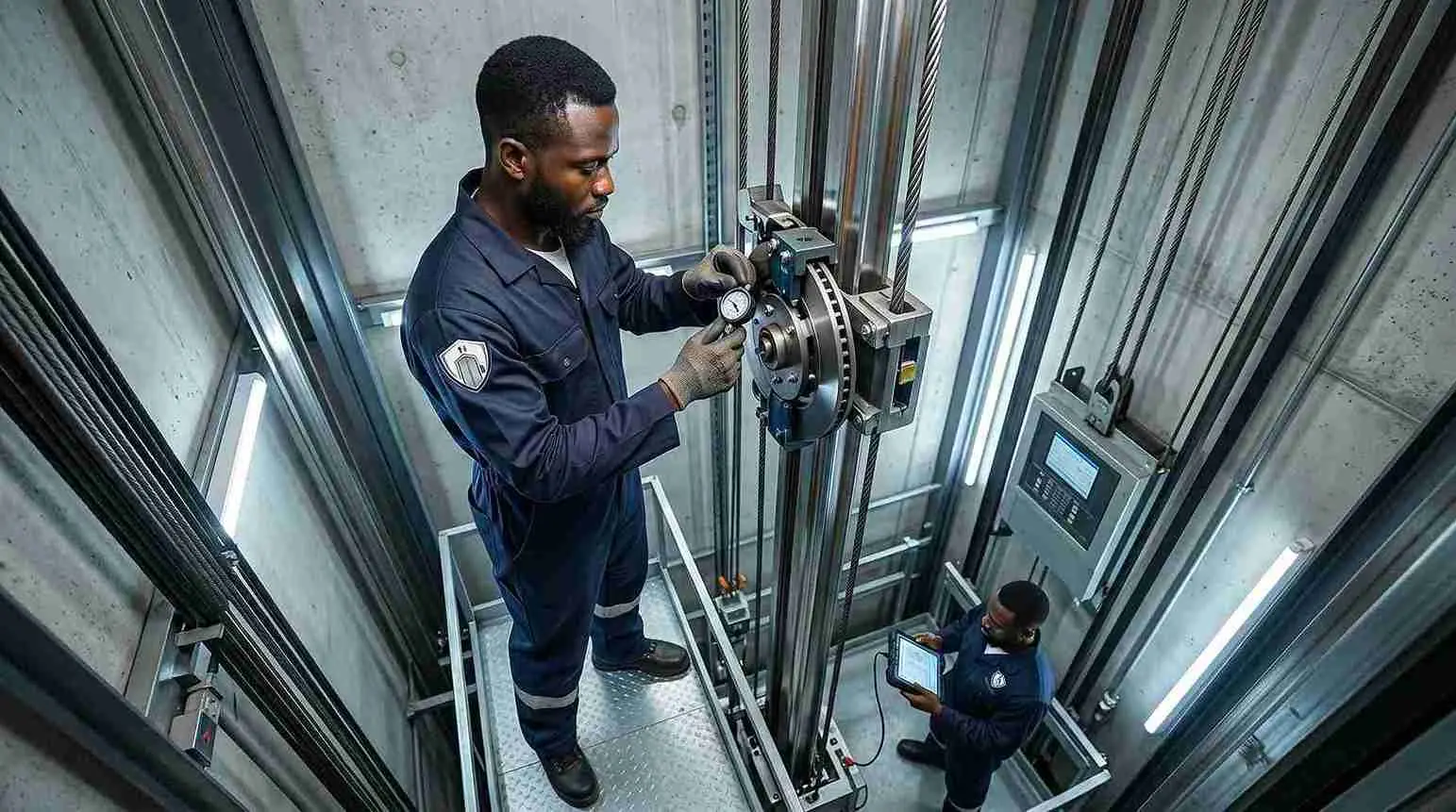

Elevator breakdowns can result from electrical supply problems, door system faults, worn components, misuse, control system issues and inadequate maintenance. Identifying the underlying cause matters more than repeatedly resetting the elevator or replacing parts without proper diagnosis. When building managers understand the root causes of elevator faults, they can make informed decisions about maintenance priorities, budget allocation and service provider selection. This article explains the most common causes of elevator breakdowns in Nigerian buildings and provides practical guidance for reducing avoidable downtime.
What Are the Most Common Causes of Elevator Breakdowns?
Elevator systems are complex machines that combine mechanical, electrical and electronic components. In Nigeria's building management environment, several factors can contribute to operational interruptions. Understanding these factors helps facility managers distinguish between isolated incidents and recurring patterns that require professional attention. The following sections detail the primary contributors to elevator faults in commercial, residential and institutional buildings across West Africa.
Power Fluctuation and Electrical Supply Problems
Voltage fluctuations, power interruptions, poor electrical connections and unsuitable power protection can affect elevator operation. Modern elevators often include variable frequency drives (VFDs) and sensitive electronic controllers that respond to irregular power conditions. When voltage drops below or rises above acceptable ranges, safety circuits may activate to protect equipment, resulting in temporary shutdowns or fault codes.
The actual risk depends on the elevator design, installed protection and site conditions. Some installations include surge protection devices, voltage stabilisers or uninterruptible power supplies (UPS), while others rely solely on the building's main electrical infrastructure. It is important to distinguish between a variable frequency drive, which controls motor speed, an inverter-based backup system, which provides emergency power, and other electrical equipment. Not every power fluctuation damages an elevator, and not every elevator uses the same type of electrical protection. Building managers should assess their site's power quality and consider appropriate protection measures based on manufacturer recommendations and local electrical conditions.
Elevator Door Sensor and Mechanism Faults
Doors are a common source of operational interruptions because they operate frequently and interact directly with users. Possible issues involve door sensors, safety edges, door tracks, rollers, motors, alignment and obstructions. Warning signs include doors repeatedly reopening, failing to close completely or preventing the elevator from moving until the door condition is resolved.
Door sensors detect obstacles and trigger reopening to prevent injury. When sensors become misaligned, dirty or damaged, they may produce false readings. Door tracks accumulate debris over time, especially in high-traffic buildings where cleaning schedules may not address narrow track channels. Users and cleaning staff should keep door tracks clear without attempting unauthorised repairs. If doors behave inconsistently, qualified technicians should inspect the mechanism, adjust alignment and test sensor functionality. Regular cleaning and visual inspection by building maintenance teams can help identify obvious obstructions before they cause operational failures.
Deferred Maintenance and Worn Components
Missed inspections, delayed servicing, poor lubrication where required, wear and tear, unresolved minor faults and delayed replacement of worn parts can contribute to breakdowns. Regular maintenance reduces avoidable faults but cannot eliminate every breakdown. Components such as contactors, relays, cables, bearings and seals have finite lifespans determined by usage patterns, environmental conditions and manufacturing specifications.
When maintenance visits are postponed or performed inadequately, early warning signs may go unnoticed. A slight change in levelling accuracy, unusual noise during operation or intermittent door behaviour might indicate developing problems. Addressing these indicators promptly prevents minor issues from escalating into complete failures. However, it is important to avoid blaming building managers without evidence, as budget constraints, vendor availability and operational pressures can influence maintenance scheduling. Establishing a consistent elevator preventive maintenance schedule helps ensure that critical components receive timely attention.
Overloading and Improper Use
Exceeding the rated capacity, repeated impact on doors, misuse of controls and unsuitable handling of heavy goods can contribute to faults or accelerated wear. Passenger elevators are designed for people and light personal items, not for moving furniture, construction materials or commercial goods. When users overload an elevator, safety systems may activate to prevent movement, or excessive strain may damage mechanical components over time.
It is important to distinguish between passenger elevators and elevators specifically designed for goods or service use. Service elevators typically feature reinforced structures, larger capacities and different control configurations. Building managers should communicate the rated capacity and intended purpose of each elevator through clear signage and user education. Consistent misuse shortens component life and increases the likelihood of frequent elevator breakdowns. Training security personnel and building staff to monitor elevator usage can help reduce improper loading practices.
Other Technical Causes Worth Checking
Additional possibilities include control system faults, worn mechanical components, levelling problems, water ingress, communication faults and issues with safety circuits. Similar symptoms can have different causes, so professional inspection is needed before recommending repairs. For example, an elevator that stops between floors might result from a door interlock problem, a brake adjustment issue, a controller fault or a safety circuit interruption.
Water ingress from roof leaks, plumbing failures or flooding can damage electrical components and create safety hazards. Communication faults between the car and the machine room may prevent normal operation even when mechanical systems function correctly. Only qualified technicians with appropriate diagnostic tools can accurately identify these issues and recommend suitable corrective actions. Building managers should maintain detailed records of all faults and repairs to help technicians identify patterns and recurring problems.
How Can Preventive Maintenance Reduce Elevator Breakdowns?
A suitable maintenance programme helps identify deterioration early, checks safety systems, inspects doors and electrical components, addresses recurring faults and plans replacement of worn parts. Maintenance requirements depend on the elevator model, condition, usage and manufacturer guidance. The following table presents general maintenance principles:
| Maintenance activity | Potential benefit |
|---|---|
| Routine inspection and servicing | Helps identify developing faults |
| Door system checks | Helps detect alignment, sensor and mechanism issues |
| Electrical and control system checks | Helps identify electrical irregularities |
| Fault history review | Helps identify recurring problems |
| Timely replacement of worn components | Helps reduce failures linked to component deterioration |
| Corrective action after repeated faults | Addresses underlying causes instead of repeatedly treating symptoms |
These activities represent general maintenance principles, not a guaranteed service checklist. Building managers should consult manufacturer documentation and qualified service providers to determine appropriate maintenance frequencies and procedures for their specific equipment. Regular maintenance does not guarantee zero breakdowns, but it significantly reduces the risk of unexpected failures and extends equipment lifespan.
What Should You Do When an Elevator Keeps Breaking Down?
When an elevator experiences repeated faults, building managers should take systematic action. First, record when the fault occurs and the symptoms observed. Check whether the issue is recurring or linked to a particular operating condition, such as peak usage times or specific weather conditions. Keep users away from an unsafe or malfunctioning elevator and follow the building's safety procedures. Do not bypass safety devices, force doors open or allow unqualified people to perform repairs. Contact a qualified elevator service provider for diagnosis and appropriate corrective work.
For passenger entrapment, building management should contact the appropriate emergency support and qualified elevator personnel immediately. Passengers should use the alarm or communication system inside the elevator and wait for trained assistance. Do not attempt to manually open doors or perform rescue operations without proper training and equipment. PE Lifts Services provides elevator repair services in Nigeria, Ghana and Togo, offering rapid diagnosis and professional corrective work for buildings experiencing recurring faults.
Frequently Asked Questions
Is unstable power a major cause of elevator faults in Nigeria?
Unstable power can contribute to interruptions and electrical faults, but the extent of its impact depends on the elevator system, power protection and site conditions. Other mechanical, electrical and maintenance-related causes must also be considered. Not every breakdown results from power issues, and proper diagnosis is essential before attributing faults to electrical supply problems.
Can regular maintenance actually prevent most breakdowns?
Preventive maintenance can reduce the risk of many avoidable failures and identify developing problems early, but no maintenance programme can guarantee zero breakdowns. Regular servicing addresses wear, adjusts components and checks safety systems, yet unexpected faults can still occur due to sudden component failure, external events or unforeseen operating conditions.
What are the warning signs of an elevator breakdown?
Warning signs include unusual noises during operation, inconsistent door behaviour, inaccurate floor levelling, intermittent stopping, error messages on the display panel and longer-than-normal response times. When these symptoms appear repeatedly, they indicate the need for professional inspection rather than continued operation without assessment.
When should a building manager call an elevator repair company?
Building managers should contact a qualified elevator repair company when faults recur despite resets, when safety concerns arise, when passengers report consistent problems or when the elevator displays error codes. Prompt professional assessment prevents minor issues from escalating into major failures and ensures compliance with safety regulations.
Identify the Cause Before the Next Breakdown
Diagnosing the underlying problem is more effective than relying on repeated resets or temporary fixes. When building managers understand the common causes of elevator breakdowns, they can work with qualified service providers to implement targeted solutions. Whether the issue involves power supply, door mechanisms, worn components or maintenance gaps, professional assessment provides clarity and direction. Understanding elevator breakdown causes enables proactive management rather than reactive troubleshooting.
Seeing recurring faults? Contact PE Lifts Services to discuss professional elevator inspection and repair support. Contact PE Lifts Services today to schedule a comprehensive assessment of your elevator systems.