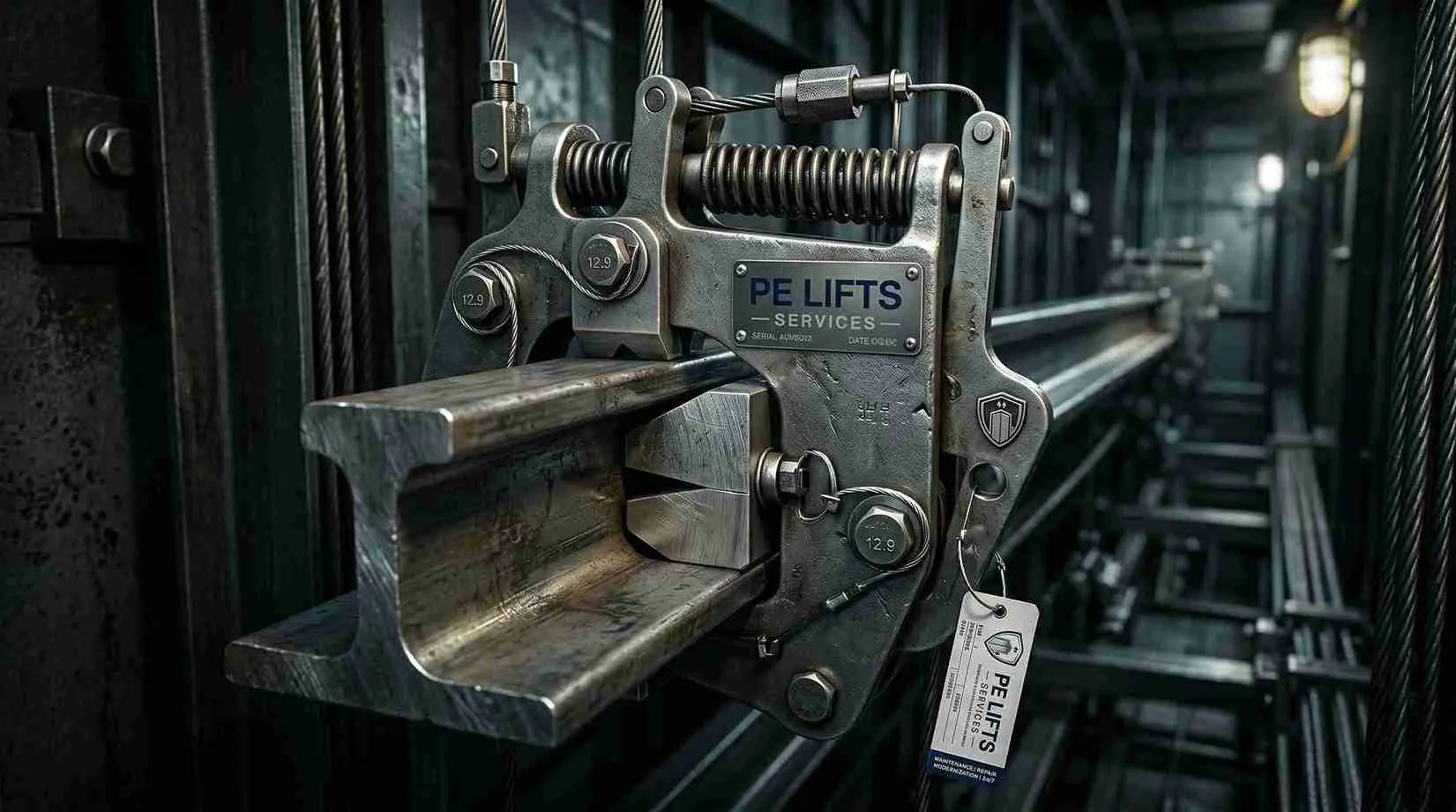

An elevator maintenance checklist is an essential tool for building owners and facility managers to track observations, scheduled servicing, identified faults, and corrective actions. By organizing maintenance activities into clear timeframes, you ensure that elevators remain safe, reliable, and efficient throughout their service life.
It is important to clarify that this checklist supports, but does not replace, the manufacturer’s specific maintenance instructions, a suitable maintenance contract, required statutory inspections, or work performed by competent elevator professionals. Every elevator system is unique, and its care must be tailored to its design, usage, and environment.
Safety Note: This checklist is a general planning aid. Only trained and authorised personnel should carry out technical maintenance, testing, or adjustments. Always follow the requirements applicable to the specific elevator installation and local regulations in Nigeria.
Monthly Elevator Maintenance Checklist
Monthly checks focus on routine observations and basic operational health. These tasks help identify minor issues before they become major failures. The table below separates safe visual observations that building staff can perform from technical tasks that require a qualified technician.
| Task | Who should handle it | What to record |
|---|---|---|
| Observe normal operation during use (smooth start/stop) | Building Staff | Note any jerky movements, unusual noises, or vibration. |
| Check landing and car door operations | Building Staff | Record if doors fail to open/close fully or reverse unexpectedly. |
| Verify visibility of rated capacity and instruction signage | Building Staff | Confirm signs are legible and present in the car and at landings. |
| Ensure emergency communication instructions are visible | Building Staff | Check that alarm/intercom instructions are clear to passengers. |
| Keep entrance areas clear of obstructions | Building Staff | Log any persistent blockages or debris near doors. |
| Report visible damage, water ingress, or leaks | Building Staff | Document location and severity; notify maintenance provider immediately. |
| Inspect door mechanisms and protective devices | Qualified Technician | Check sensors, edges, and mechanical alignment per manufacturer specs. |
| Review fault logs and recurring operational issues | Qualified Technician | Analyze error codes and frequency of interruptions. |
| Check designated electrical and mechanical components | Qualified Technician | Visual inspection of accessible parts for wear or overheating. |
| Perform manufacturer-specified lubrication or adjustments | Qualified Technician | Record parts serviced and lubricants used. |
Important: Building staff should never attempt to diagnose technical faults, force doors, bypass safety devices, or interfere with equipment. These observations are strictly visual and operational.
Quarterly Elevator Maintenance Checklist
A quarterly review serves as an internal planning checkpoint to ensure deeper technical aspects are addressed. This must not replace more frequent servicing required by the manufacturer, your contract, or applicable regulations.
During a quarterly review, a qualified technician should typically:
- Review Recurring Faults: Analyze data from the previous three months to identify patterns in performance issues.
- Inspect Door Systems: Detailed check of interlocks, rollers, tracks, and safety edges to ensure smooth and safe operation.
- Check Mechanical Assemblies: Inspect accessible components such as guide shoes, ropes, or belts according to manufacturer procedures.
- Assess Lubrication Needs: Verify that all moving parts are adequately lubricated to prevent premature wear.
- Evaluate Electrical Components: Check contactors, relays, and wiring for signs of arcing, loose connections, or heat damage.
- Test Levelling Performance: Ensure the car stops accurately at each floor to prevent trip hazards.
- Verify Safety Functions: Test emergency communication systems and other safety features using approved, non-destructive procedures.
- Document Findings: Record all defects, corrective work performed, parts replaced, and any follow-up requirements.
The exact checks vary by elevator design. Technical inspections must always be carried out by competent, authorised personnel using appropriate safety procedures. A quarterly inspection does not automatically satisfy statutory inspection or testing requirements unless explicitly stated by local authorities.
Annual Elevator Maintenance and Testing Checklist
An annual planning review helps building managers confirm that all required inspections, testing, documentation, and maintenance reviews have been completed within the applicable period. This is a critical time for strategic assessment.
Key annual activities include:
- Comprehensive History Review: Analyze the full year’s maintenance history and recurring faults to assess overall system health.
- Outstanding Findings Check: Ensure all defects identified in previous inspections have been resolved or have a clear mitigation plan.
- Safety Component Assessment: Detailed examination of brakes, governors, and safety gears by a specialist.
- Statutory Compliance Confirmation: Verify whether required periodic inspections or tests are due under Nigerian regulations.
- Documentation Verification: Check the status of applicable permits, certificates, or inspection records.
- Manufacturer Recommendation Review: Update the maintenance plan based on any new guidance from the equipment manufacturer.
- Usage Pattern Analysis: Determine if changes in building use or traffic volume require an adjustment to the maintenance frequency.
Note on Load Testing and Certification: Do not assume that every elevator in Nigeria must undergo a load test annually. Load tests, periodic inspections, and certification requirements depend on the specific regulatory framework, equipment type, and authorised inspection arrangements. Never advise building staff to conduct load testing themselves. Distinguish between routine maintenance servicing, a technical condition assessment, a load test, and a statutory inspection—they are not interchangeable.
Who Should Perform Each Maintenance Task?
Clear responsibility assignment ensures safety and accountability.
| Task Category | Responsible Person | Important Limitation |
|---|---|---|
| Routine observations and fault reporting | Designated building staff | No technical intervention or safety device adjustments. |
| Maintenance and technical inspections | Competent, authorised elevator technician | Must follow equipment-specific procedures and applicable requirements. |
| Specialist testing and adjustments | Appropriately qualified personnel | Use approved methods and specialized equipment. |
| Statutory inspection or certification | Person/body authorised under applicable framework | Confirm relevant legal requirements and authority. |
| Record keeping and corrective action tracking | Facility manager or designated coordinator | Ensure findings are assigned, tracked, and followed up. |
Staff responsibilities and legal requirements may vary by location, elevator type, and the applicable regulatory framework. For more details on professional support, see our guide on How often should elevators be serviced?.
How to Use This Checklist Effectively
To maximize the value of your elevator maintenance checklist, follow this implementation process:
- Record Details: Document the elevator’s make, model, type, and installation date.
- Consult Manuals: Obtain the relevant maintenance manual and confirm the correct servicing intervals recommended by the manufacturer.
- Define Responsibilities: Agree on roles with your elevator maintenance provider. Consider an Elevator AMC in Nigeria for structured support.
- Log Activities: Consistently record observations, servicing dates, faults, and corrective actions.
- Escalate Safety Concerns: Report any safety-critical issues immediately and follow building emergency procedures.
- Review Regularly: Hold periodic meetings to review outstanding findings and retain all maintenance records for audit purposes.
Printable Maintenance Tracking Aid
Use the fields below to create a simple log for your records.
- Building/Property Name: __________________________
- Elevator ID/Location: __________________________
- Date of Observation/Service: __________________________
- Person Completing Record: __________________________
- Findings/Faults Observed: __________________________
- Corrective Action Required: __________________________
- Responsible Person: __________________________
- Follow-up Date: __________________________
- Completion Status: [ ] Open [ ] In Progress [ ] Closed
Label this document as a maintenance tracking aid, not proof of legal compliance or a substitute for professional inspection.
Frequently Asked Questions
Can facility staff perform any of these checks in-house?
Yes, designated staff can generally make safe visual observations, note unusual operation, report faults, and maintain records. However, technical servicing, safety device testing, adjustments, and hazardous access must be left to appropriately trained and authorised personnel.
What tasks legally require a certified technician?
The specific tasks requiring a certified or authorised technician depend on applicable Nigerian laws, regulations, standards, and the specific work involved. There is no universal list that applies to every scenario without context. Readers should confirm applicable requirements with the relevant authority or a competent professional.
How often should an elevator be serviced?
Service frequency depends on the elevator type, usage intensity, and manufacturer recommendations. High-traffic commercial elevators may require monthly servicing, while residential units may need less frequent checks. Consult your maintenance provider for a schedule tailored to your building.
Does a maintenance checklist replace an elevator maintenance contract?
No. A checklist is a management tool for tracking and observation. It does not replace the technical expertise, spare parts supply, liability coverage, and specialized labor provided by a professional elevator maintenance contract.
Build Your Checklist Into a Planned Maintenance Programme
A checklist works best when linked to a clear maintenance schedule, reliable fault records, professional servicing, and timely corrective action. Use this elevator maintenance checklist as a starting point to organize your facility’s needs, but always agree on an equipment-specific maintenance plan with your elevator service provider.
Want this checklist built into a scheduled contract? Request a PE Lifts AMC proposal.
Contact PE Lifts Services today to discuss how we can support your building’s vertical transportation needs with professional, reliable, and safe maintenance solutions.