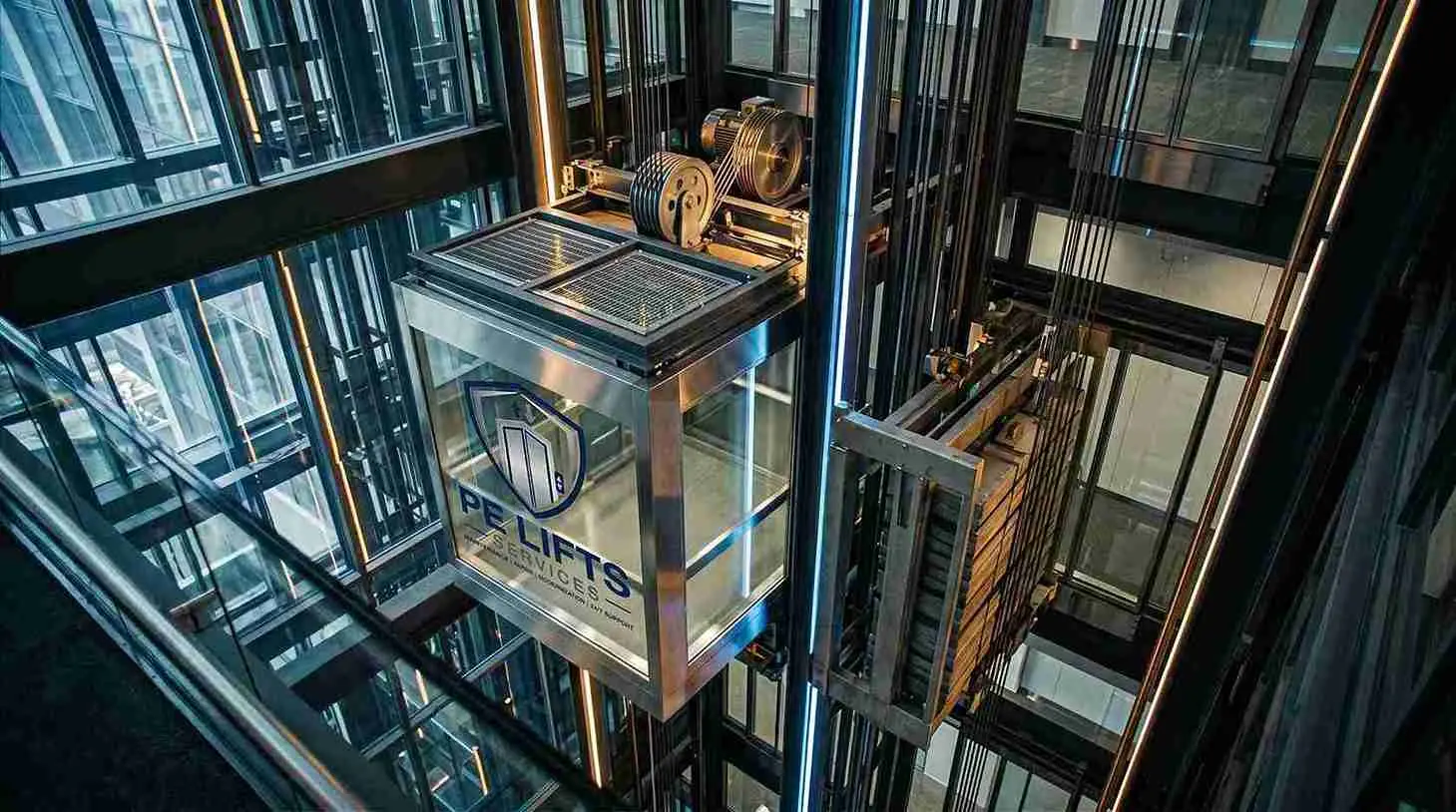

How often should elevators be serviced? There is no single answer that applies to every elevator in Nigeria. The correct servicing frequency depends on the manufacturer’s recommendations, the intensity of passenger traffic, the building’s usage type, the age of the equipment, and its current condition. While some facilities may require monthly visits, others might operate safely with quarterly checks, provided they are low-traffic and well-maintained.
For building owners and facility managers in Nigeria, relying on a generic calendar interval without considering these factors can lead to either unnecessary costs or dangerous neglect. This guide explains how to determine the right maintenance schedule for your specific elevator system, ensuring safety, reliability, and compliance with best practices.
How Often Should Commercial Elevators Be Serviced?
Commercial properties such as office towers, shopping malls, hotels, and hospitals have diverse vertical transportation needs. In high-rise office buildings in Lagos or Abuja, elevators may run for 12 to 16 hours a day, carrying hundreds of passengers. In contrast, a small boutique hotel in Port Harcourt may see significantly less traffic.
Generally, manufacturers recommend routine maintenance visits ranging from monthly to quarterly. However, this is not a legal mandate across all jurisdictions in Nigeria but rather a technical best practice. High-usage environments typically benefit from monthly inspections to catch wear early. Low-usage residential buildings might suffice with quarterly visits, provided no recurring issues exist.
It is crucial to distinguish between routine maintenance and statutory inspections. Routine maintenance keeps the elevator running smoothly, while statutory inspections verify compliance with safety regulations. Both are essential, but they serve different purposes. Always consult the original equipment manufacturer (OEM) manual for the specific recommended service interval for your model.
How Elevator Usage Affects Maintenance Frequency
The volume of passenger traffic is the most significant variable in determining service frequency. An elevator in a busy hospital in Kano operates under constant stress, moving patients, staff, and heavy medical equipment. Such critical infrastructure requires frequent monitoring to prevent breakdowns that could impact patient care.
Similarly, shopping centers in major Nigerian cities experience peak loads during weekends and holidays. Elevators in these locations endure frequent door cycles, heavy loading, and continuous operation. Conversely, a private residential building with only ten units may see minimal daily use. While lower usage reduces mechanical wear, it does not eliminate the need for regular checks. Dust, humidity, and electrical fluctuations in Nigeria can affect components even in idle elevators.
Older elevators also require closer attention. As equipment ages, parts wear out, and systems become less tolerant of minor faults. If an elevator has a history of recurring issues, increasing the frequency of service visits can help identify root causes before they lead to major failures.
Monthly, Quarterly and Annual Elevator Maintenance Tasks
Understanding what happens during each service visit helps facility managers appreciate the value of regular maintenance. The following table provides an illustrative framework for planning, though actual tasks must be defined by qualified technicians based on the specific elevator model.
| Maintenance Interval | Possible Focus | Important Qualification |
|---|---|---|
| Monthly | Routine inspection, operational checks, door operation, lubrication, and addressing reported faults. | Tasks and visit frequency depend on the specific maintenance plan and equipment usage. |
| Quarterly | Review of recurring faults, analysis of wear patterns, checking maintenance records, and monitoring components prone to degradation. | Quarterly reviews do not replace required routine visits for high-traffic elevators. |
| Annually | Comprehensive review of maintenance history, planned component replacement, safety device testing, and future maintenance planning. | An annual review is not a substitute for routine servicing or legally required statutory inspections. |
Note: This table is for planning purposes only. It does not constitute a technical procedure. Always follow the OEM’s maintenance manual and local safety regulations.
For a detailed list of items typically checked during these visits, refer to our Elevator Maintenance Checklist. This resource helps facility managers understand what to expect from their service provider.
Signs Your Elevator May Need More Frequent Servicing
Even with a scheduled plan, certain signs indicate that your elevator needs more immediate or frequent attention. Ignoring these warnings can lead to costly repairs or safety hazards.
- Repeated Breakdowns: If the elevator stops working frequently or displays the same fault codes, the current maintenance interval may be insufficient.
- Door Issues: Doors that hesitate, close too quickly, or fail to level properly with the floor are common sources of passenger complaints and safety risks.
- Unusual Noises or Vibrations: Grinding, squeaking, or excessive shaking during movement suggests mechanical wear or misalignment.
- Increased Downtime: If the elevator is out of service more often than usual, it indicates underlying problems that routine checks are missing.
- Wearing Parts: Components such as rollers, buttons, or cables wearing out faster than expected suggest harsh operating conditions or inadequate lubrication.
If you observe any of these signs, do not attempt to repair the elevator yourself. Contact a qualified elevator professional immediately. For trapped passengers, always follow emergency protocols and contact emergency services or your maintenance provider’s 24/7 support line.
Does Your Elevator Maintenance Schedule Need Reviewing?
A maintenance schedule is not static. It should evolve with your building’s needs. Facility managers should review their current plan when:
- Building occupancy increases significantly.
- The elevator begins to show signs of aging or increased faults.
- The manufacturer updates their maintenance recommendations.
- There are changes in local safety regulations.
Keeping accurate records is vital. Maintain logs of all service visits, fault reports, downtime incidents, and replaced parts. These records provide valuable data for your maintenance provider to analyze trends and adjust the service frequency accordingly. If you are unsure about your current arrangement, consider exploring an Annual Maintenance Contract (AMC) which can formalize these responsibilities and ensure consistent care.
Frequently Asked Questions
Is monthly servicing necessary for all buildings?
No, monthly servicing is not universally required. The necessity depends on the elevator’s usage, age, and manufacturer guidelines. High-traffic commercial buildings often benefit from monthly visits, while low-usage residential elevators may be adequately served by quarterly checks. Always consult your equipment’s manual and a qualified technician.
Does a new elevator need less frequent servicing?
No. New elevators still require regular maintenance according to the manufacturer’s instructions. In fact, initial servicing is crucial to ensure proper installation, calibrate systems, and address any early-life defects. Skipping maintenance on new equipment can void warranties and lead to premature failures.
Can an elevator be serviced too infrequently?
Yes. Infrequent servicing can lead to undetected wear, safety hazards, and costly major repairs. Lack of regular lubrication and adjustment accelerates component degradation. Over time, this increases the risk of breakdowns and reduces the overall lifespan of the elevator system.
Is routine elevator servicing the same as a statutory inspection?
No. Routine servicing involves cleaning, lubricating, adjusting, and repairing components to keep the elevator running. Statutory inspections are formal assessments conducted by certified bodies to verify compliance with safety laws and regulations. Both are necessary for safe and legal operation.
Review Your Elevator Maintenance Schedule with PE Lifts Services
Determining the right service frequency for your elevator is critical for safety and cost-efficiency. At PE Lifts Services, we understand the unique challenges of maintaining vertical transportation in Nigeria’s diverse climate and usage environments. Our team of certified technicians can assess your elevator’s condition, usage patterns, and history to recommend an appropriate maintenance schedule.
Not sure your current maintenance schedule meets your building's needs? Contact PE Lifts Services to discuss your elevator maintenance requirements. We provide multi-brand support, ensuring your equipment receives the expert care it deserves, regardless of the manufacturer.